Categories
Blog

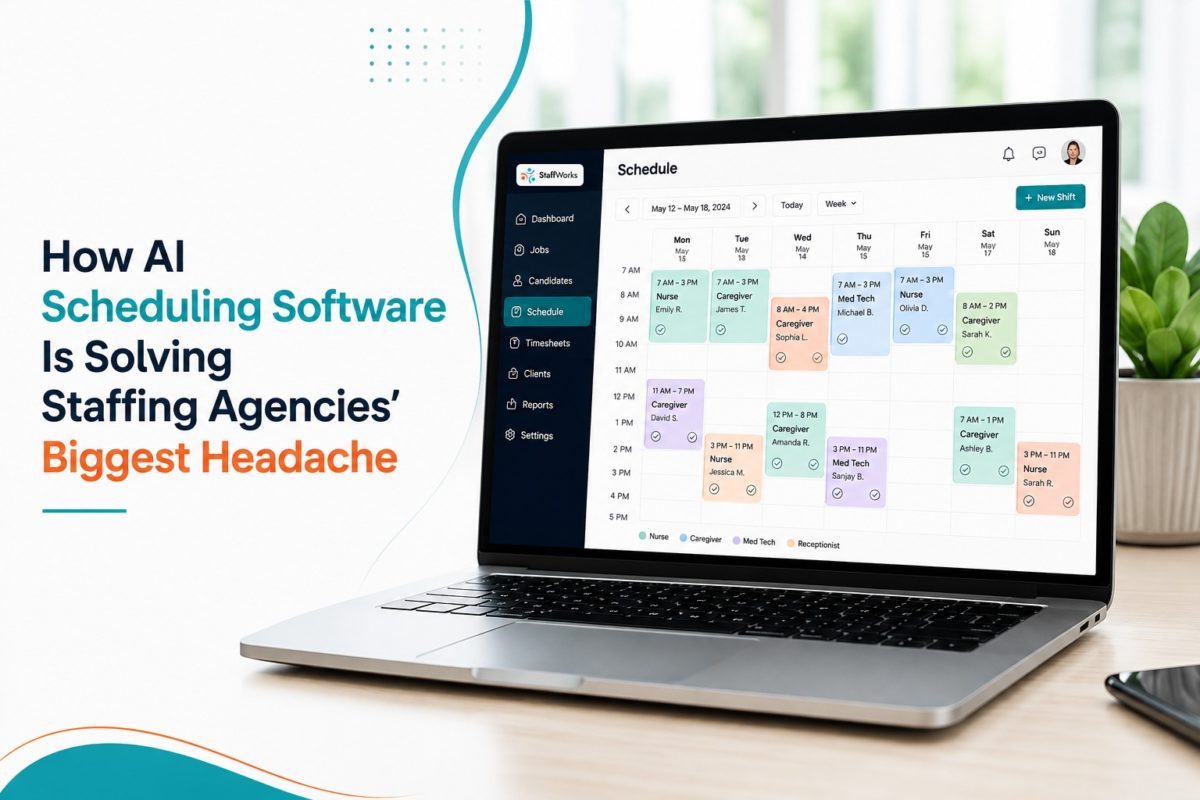
How High-Performing Staffing Agencies Do Scheduling Differently

Staffing agencies succeed or fail based on how well they manage schedules. It’s not just about filling shifts, it’s about balancing client expectations, worker availability, adherence and profitability. The agencies that consistently outperform their peers don’t treat scheduling as an administrative burden; they treat it as a strategic advantage.

For many firms, scheduling is the invisible backbone of operations. It determines whether clients see reliability or chaos, whether workers feel valued or overlooked, and whether recruiters spend their time building relationships or putting out fires. In short, scheduling is where operational discipline meets business reputation and high-performing agencies know it.

Here’s how they do it differently.

The Hidden Costs of Manual Scheduling

Manual scheduling often feels manageable at first, spreadsheets, phone calls, sticky notes. But as operations scale, cracks appear. Recruiters and managers quickly realize that what worked for ten workers doesn’t work for hundreds.
Consider what exactly happens:
• Hiring consultants spend hours trying to get confirmations, frequently calling or texting multiple workers for the same shift.
• Managers often miss last‑minute changes, which can lead to double bookings or uncovered shifts.
• Missed schedules and neglected shifts lead to loss of trust in clients.
• Employees get annoyed when communication breaks down—for example, showing up to a site only to find the shift was canceled.

Costs go up as you have to hire additional schedulers to handle additional workload

The real cost isn’t just wasted time – it’s damaging credibility. High-performing agencies recognize that manual scheduling is unsustainable once volume and complexity increases, and they move quickly to replace it with systems that can scale.

Why Real-Time Visibility Matters

Visibility is the difference between guessing and knowing. The best scheduling agencies use live data and not old rosters. Without it, managers are blind to cancellations, compliance issues or worker availability until it’s too late.

Here’s how real-time visibility changes the experience:
• Live dashboards provide real-time availability and verification, reducing the requirement for speculation.
• Automatic alerts instantly mark cancellations, so replacements can be found before clients even notice.
• Integrated workforce tools keep recruiters, managers and clients aligned on the same source of truth.

In industries like healthcare or manufacturing, visibility also assures compliance, credential checks, overtime limits and labor laws are easier to manage when data is live. Platforms including GigFlex have leaned into this need, giving agencies a centralized scheduling hub where visibility is built in. Real-time insight changes scheduling from reactive firefighting to proactive planning.

Communication as the Backbone of Scheduling

Scheduling is not just logistics, it’s communication. Workers, clients and recruiters all need clarity and without it, even the best schedules fall apart. High-performing agencies treat communication as part of the scheduling process itself. This is done through:
• Automated reminders so people are held accountable and cancellations are minimized
• SMS notifications and mobile apps so shift confirmation is easy and frictionless
• Multi-channel communication (email, text, in-app notifications) so workers are not missing out on updates.
Good communication builds trust, and good agencies know this. Workers feel supported, clients feel reassured and recruiters spend less time chasing confirmations. Without it, cancellations rise and client relationships suffer.

Planning Ahead vs. Reactive Scheduling

Reactive scheduling is draining. Every shift feels like a scramble, and every cancellation turns into a crisis. High‑performing agencies change the game by planning ahead. They don’t just fill today’s shifts, they plan for tomorrow’s demand by:

• Predicting client needs by using previous patterns and seasonal peaks (like holiday retail rush or flu season in healthcare).
• Create accessible talent pools for busy periods.
• Using predictive scheduling tools to spot gaps before they happen.

Planning ahead doesn’t eliminate surprises, but it changes the response. Instead of scrambling, agencies adjust. Instead of apologizing, they deliver. Clients see the difference. An agency that is always prepared builds trust and repeat business.

Technology as the Scaling Engine

Technology allows agencies to scale, without losing control. Intelligent Workforce management platforms are designed to manage complexity; manual methods fail. Here is how technology improves performance:
Leveraging AI-Technology to create schedules that minimize commute times for all staff

• Automating routine tasks such as shift confirmations and verification of credentials.
• Embedding compliance rules into the scheduling workflows.
• Presenting insight data that points at patterns for demand, employee productivity and overall profitability.

Geo-Intelligent Technology offers recruiters more freedom rather than replacing them. Recruiters can go back to what they should be doing, building relationships, developing talent pools and building client partnerships, rather than being consumed by administrative tasks. Agencies may grow without sacrificing quality owing to tools like GigFlex, which show how technology can combine efficiency and human touch.

Conclusion: Scheduling as a Competitive Advantage

For staffing agencies, scheduling is not just a back-end operation, it’s a competitive advantage. Agencies that embrace visibility, communication, planning and technology position themselves to scale confidently and deliver consistently. High-performing agencies do schedule differently because they understand its impact on every part of the business. They don’t just fill shifts they build trust, reduce risk and also create systems that grow with them. In staffing, reliability defines success and scheduling is the foundation.

Categories
Blog

How StaffWorks Can Significantly Improve Worker Utilization and Performance for Staffing Agencies

Staffing agencies operate on relatively thin margins where efficiency can mean the difference between break-even and profitability. Having the right person at the right time is not just an operational need but also determines how an agency can retain existing customers and grow with them.

As agencies expand, it becomes harder to coordinate with staff at different sites, times, and over client demands. Even minor inefficiencies in scheduling and allocation begin to affect staff utilization, performance, and financial results.

This is where StaffWorks by GigFlex can really come in handy.

The Labor Supply Dilemma in the Workforce

Work is not always distributed evenly among staff.

There are staff who are overworked and overstretched and those that are not fully utilized. This imbalance results in lost opportunities, higher expenditure, and lower satisfaction all around.

Agencies can also struggle with last-minute cancellations, open shifts, and poor insight into staff supply. With the absence of an integrated system, it is hard to schedule optimally and equitably.

The Failure of Traditional Workforce Management Systems

A large number of staffing agencies continue to use spreadsheets, phone calls, and disjointed tools to manage their workforce.

This makes it difficult to access real-time availability, allocate work as per staff’s skills and location, and respond timely to changes.

Consequently, issue mitigation tends to be reactive. Most of the time, the admin is busy fixing issues as they occur instead of proactively addressing potential issues before they actually occur.

This reactive approach can have a direct negative effect on the productivity of the team and client satisfaction.

The Transition from Manual Allocation to Intelligent Matching

A key difference with StaffWorks is the manner in which staff are scheduled and managed. With GigFlex, GeoIntelligent Scheduling work efficiency can improve by 30% or more. That’s like having 30% more workers with the same payroll.

GigFlex takes into account a number of factors such as availability, location, skill sets, and shift requirements before assigning schedules, and can run thousands of simulations in seconds to ensure that the final schedule is optimal.

Enhancing Worker Utilization Board-wide

Having a real-time view into staff performance can help administrators increase productivity.

Using StaffWorks, agencies have access to the available workers, their locations, and how they can be efficiently allocated.

This helps save time, and more workers are kept busy. Equal distribution of work also avoids overloading specific workers as others go unutilized, making the workforce more stable and efficient.

Improving Worker Performance by Improving Alignment

Performance is automatically enhanced when workers are placed in jobs that best suit them and are scheduled in a manner that will minimize commute times and increase productive utilization.

StaffWorks makes it possible by matching the staff profile with the job more smartly, minimizing the number of mismatches, enhancing the quality of schedules, and helping administrators staff with more confidence.

Lessening Last-Minute Bottlenecks and Interruptions

Typical staffing challenges include empty shifts and last-minute changes.

StaffWorks enables agencies to react to changes more effectively by giving real-time visibility and the ability to quickly reassign appointments to maximize appointment timeliness compliance.

Rather than rushing to occupy vacancies, teams are able to handle change in an organized system, which minimizes downtime and ensures service continuity.

Simplifying Communication and Coordination

Coordination, though important, is one of the most time-consuming parts of workforce management.

Repeated calls, messages, and follow-ups slow down decision-making and expose the possibility of miscommunication.

StaffWorks introduces a more organized flow of communication with a real-time view of updates, schedules, and changes that have been made.

This eliminates misunderstandings and enables teams to work with a lot more clarity.

Developing a More Reliable Workforce System

Consistency is a significant factor contributing to client as well as staff satisfaction.

There is a direct correlation between workforce satisfaction and stable scheduling.

StaffWorks can be leveraged to create this stability because it minimizes the variability in scheduling and enhances the level of overall coordination.

The Implication of This for Staffing Agencies

Through better allocation, less downtime, and better performance, agencies are able to cover more appointments without having to increase their workforce at the same rate.

This results in improved margins, improved client relationships, and a more scalable business model.

The Shift to Smarter Workforce Management

The trend in staffing is shifting toward efficiency, visibility, and real-time decision-making systems.

The operational complexity can no longer be dealt with by manual processes.

Tools such as StaffWorks are facilitating this transition by making the management of the workforce more organized and dynamic.

Conclusion

There is a close relationship between staff utilization and performance.

When the correct systems are established, the two enhance each other.

StaffWorks by GigFlex assists staffing agencies in their transition to a more controlled, proactive, and efficient way of management.

It is that change that enables agencies to work more consistently, more effectively, and with improved results in the long term.

Categories
Blog

Why StaffWorks Is One of the Best Workforce Management Tools for today’s Staffing Agencies

Today staffing agencies operate in rapidly changing environments that require precision adaptation. Clients expect quick placements, employees expect flexibility and agencies need to be able to handle multiple assignments at different locations, positions and timeframes.

Traditional methods using spread sheets, manual coordination or fragmented tools simply aren’t able to manage this complexity – modern workforce technology is needed. 

Agencies are now in need of reliable employee scheduling software that can synchronize the availability of its workforce, while maintaining compliance and client expectations in real time. Staffworks ,a GigFex product, has been designed to specifically meet these operational challenges and enable agencies to remain efficient and under control.

Agencies are increasingly  looking for employee scheduling solutions that combine workforce management software with intelligent automation, allowing them to transition from manual methods to a fully digital workforce scheduling system that supports real-time decision-making.

The Role of Smart Scheduling in Agency Success

Scheduling is not just an administrative task of staffing firms. It has a direct influence on employment, customer satisfaction and employee utilization, performance and retention. Lack of proper scheduling tools can result in unfilled shifts, overstaffing, compliance risk, and communication failures.

The effective scheduling of the shifts should be transparent, flexible, and automated without causing processes to become overly complex.

StaffWorks enables agencies to move beyond reactive scheduling and adopt a proactive model. Rather than handling the last-minute changes manually, recruiters and coordinators can create structured schedules, track availability, and respond promptly to demand fluctuations.

This change from manual employee scheduling to intelligent employee scheduling enables agencies to concentrate more on placements and relationships than “fighting operational fires”..

This is why many organizations adopt automated employee scheduling software and workforce scheduling tools that improve planning accuracy while reducing administrative burden.

Designed Specifically for Staffing Agencies

Most of the tools available in the market are aimed at the general workforce, whereas staffing agencies have different needs. They handle dynamic lists of employees, rotations, and various customers at the same time. StaffWorks is designed as a special staffing scheduling software that is designed to fit this dynamic environment.

The platform enables agencies to schedule at high volumes without losing accuracy. Recruiters are able to align workers to assignments according to skills, availability, and client needs as well as have a clear picture of how the workforce is distributed.

This ensures that the right person is sent to the right location at the right time. 

As a scheduling software for staffing agencies, StaffWorks also functions as a staff scheduling system that simplifies staff allocation across multiple clients locations and job roles.

Improving Operational Efficiency Through Automation

Automation is a defining feature of modern workforce scheduling software, and StaffWorks leverages Geo_Intelligent Automation to streamline time-consuming processes. Agencies can coordinate operations centrally on one platform as opposed to manually scheduling by calling, emailing, and operating with a number of disconnected systems.

Automated scheduling workflow reduces both effort and errors. As schedules are updated in real time, staff and the coordinators are kept in sync which reduces confusion and last minute hitches. When scheduling is reorganized into a systematic, technological operation, agencies achieve uniformity in the placements and assignments.

Such automation reflects the growing demand for advanced scheduling and time tracking software that integrates planning, reporting, and workforce tracking software into one system.

Enhancing Workforce Visibility and Control

Agencies dealing with distributed teams need real-time visibility. In the absence of this, effective coverage becomes hard to achieve and sustain.

StaffWorks enables agencies to have a complete control of the staff across multiple clients and locations.

Coordinators are able to keep track of schedules, monitor modifications and keep correct data of the workforce on a centralized platform. This transparency helps improve decision-making and allows the agencies to act promptly to the needs of the clients. It also minimizes the chances of schedules clashing with each other that may have a bad impact on worker and client satisfaction.

This level of oversight is what companies expect from modern employee scheduling tools and workforce management tools that support mobile workforce scheduling and online employee scheduling environments.

Supporting Flexibility Without Sacrificing Structure

Staffing companies have two conflicting priorities. On the one hand, they need to provide flexibility to employees that want flexible schedules. On the other hand, they need to make sure that they are planning their workforce in a structured way to cater to customers who demand consistency. StaffWorks achieves this by being flexible and operational savvy at the same time.

With geo-intelligent scheduling software, agencies are empowered to make swaps in shifts, changes in availability and urgent needs without interfering with overall workforce planning. Such flexibility is particularly useful in such sectors like healthcare, logistics, and events where a demand can change quickly.

This is where a geo-intelligent shift scheduling app becomes essential, helping agencies maintain agility while ensuring workforce management scheduling remains structured.

Strengthening Client Relationships Through Reliable Scheduling

For staffing agencies, reliability is a major distinguishing factor. Clients require their staffing agencies to provide the qualified personnel at the required time. Delays or discrepancy in schedules may hurt trust and negatively impact long-term relationships.

Agencies can develop predictable and well-managed deployment of workers by using intelligent shift scheduling software, such as StaffWorks. Geo_Intelligent scheduling ensures that the needs of the clients are addressed in a timely manner, increasing trust and strengthening partnerships. Over time this operational reliability turns into a competitive advantage.

Reliable delivery is often driven by tools such as employee shift scheduling software, online staff scheduling software, and automated workforce scheduling platforms that ensure consistency at scale.

Enabling Scalable Growth for Expanding Agencies

Company growth typically creates new challenges. Manual scheduling becomes a more difficult tool to operate as agencies increase in size. The need to grow clients and talent pools across a large geography requires scheduling systems that can manage complexity without slowing down business processes. StaffWorks is a scalable workforce scheduling software tool which seamlessly expands with agency growth.

StaffWorks ensures performance and organizational clarity whether or not the agency is dealing with dozens or thousands of workers. The agencies are in a position to grow without having to worry if their operational infrastructure is capable of accommodating the higher demand.

Scalability like this is typically associated with enterprise-ready workforce management systems like StaffWorks that are built to support operational expansion.

Creating a Better Experience for the Workforce

Staff satisfaction is highly essential in retention especially in work environments that are flexible. Confusing or inconsistent scheduling methods may result in a lack of engagement and an increase in turnover.

Agencies can enhance the experience of their workers by providing easy to use scheduling tools . StaffWorks assists in making sure that the employees are given the correct assignments and updated timely which leads to trust, and long-term involvement with the agency.

Modern staff scheduling applications and employee scheduling applications also empower workers through mobile apps, that improves communication transparency and self-scheduling empowerment.

Future-Staffing Requirements

The staffing industry is rapidly being digitalized. Agencies that are using tools that are not in line with the times run the risk of inefficiencies, compliance, and loss of opportunities.

Technology has ceased to be an “add on benefit” but has become central to operational effectiveness.

StaffWorks can help agencies transition to geo-intelligent integrated workforce management. Through the integration of automation, visibility, and scalability within the same staffing scheduling software environment, StaffWorks can help the agencies to work with precision and yet be flexible to the market dynamics.

This evolution reflects the broader transition toward intelligent workforce management solutions and employee workforce management software designed for data-driven staffing operations.

Conclusion

The higher the complexity of the work of staffing agencies, the greater the demand is for sophisticated scheduling solutions. StaffWorks patented geo-intelligent scheduling technology provides the functionality that meets the practical needs of modern workforce coordination. Its can enable agencies to simplify operations, improve relationships with clients, and increase workforce satisfaction.

In an industry where time, precision and flexibility is the key to success, the implementation of an all-encompassing geo-intelligent scheduling solution such as StaffWorks is the key to long term business success.

Organizations adopting the best employee scheduling software today are investing not just in scheduling, but in a complete workforce management software solution that supports planning, tracking, and performance optimization.

Categories
Blog

How to Reduce No-Shows and Cancellations in Event, Home Health & Agency Staffing

Can we have a moment of the truth? When you are in charge of a team in  event staffing operations, home health scheduling, or in agency staffing, you understand that heart-sinking moment. It is 6:00 AM, the shift begins at 7:00 AM and you are informed by your phone of a cancellation, or likely no-show.

This is not merely an administrative pain; but it is a threat to your own reputation, continuity of patient care, and even your bottom line. We understand that you have a busy schedule and the issues in dealing with lack of  workforce reliability. The good news? There are technology solutions available that can make your life a whole lot easier. 

We’re going to show you how to move from reactive crisis management to proactive prevention, helping you drastically reduce no-shows and cancellations for good.


Why Your Shifts Are Failing: Understanding the Root Cause

Before we deploy the tech, let’s identify why your valuable workers are bailing. It usually comes down to three human factors:

  • Burnout & Stress: Especially critical in Home Health Scheduling, where caregivers face emotional fatigue. Poorly managed schedules turn into mandatory overtime, eroding employee engagement.
  • Lack of Fit: In Agency Staffing, if available shifts don’t align with a worker’s skills, location, or true availability, they’ll eventually look for  opportunities elsewhere.
  • Communication Gaps: A static schedule printed last Tuesday can’t compete with a real-time life event. Simple, non-intrusive confirmation methods are often missing.

You’re not battling bad people; you’re battling bad scheduling friction.


The Technology Fix: Proactive Strategies to Reduce No-Shows and Cancellations

The best defense against a no-show is a modern, intuitive scheduling system that prioritizes the worker experience.

Pre-Shift Confirmation: Beyond the Email

Email reminders are easily lost; emails are easily ignored. The key to minimizing no-shows is multi-channel, personalized, and timely communication.

Use a system that sends automated reminders 24, 12, and 2 hours before a shift via their preferred channel—whether that’s a quick push notification through an app or a simple SMS reply. Better yet, require them to actively confirm the shift. If they don’t confirm, the shift automatically flags itself for immediate backfilling, drastically improving shift fulfillment.

Dynamic Shift Matching (Addressing Job Fit)

No-shows often happen when a worker is assigned a shift that they are not fully committed to. Geo-intelligent platforms solve this by using dynamic matching to ensure the right worker—with the right skills, equipment, and travel distance tolerance—gets the offer first.

For your Event Staffing needs, for example, a system that lets workers select shifts based on venue preference or a specific team member they like working with builds commitment. We dive into more specific strategies for your organization on our specialized industry pages, like our guidance for Staffing Agencies.

The Power of Predictive Scheduling (Spotting Red Flags)

Scheduling at the expert level is dependent on real-time data and analytics. The system should be intelligent and utilize historical information (past no-shows, late cancellations, and travel times) to warn of a shift before it can become a problem. This proactive scheduling will provide your management team with some prior warning to get in touch with a possibly unreliable employee or begin the backfill operation early. This is intelligent management.


Sector Spotlight: Tailoring Reliability to Your Niche

While core principles are universal, the solution also needs to be tuned to specific industries.

For Home Health Scheduling: The Trust Factor

In home care, a no-show is a serious breach of trust. Focusing on continuity is paramount. We recommend leveraging technology that allows clients and caregivers to rate their fit. When a match is highly rated, the system prioritizes that match, which is a major factor in staff retention and helps us build truly reliable care networks. You can explore how we handle the sensitive nature of Home Healthcare needs in detail.

For Event Staffing: The Commitment Culture

Event staff often work one-off shifts. The key here is instant, clear communication about expectations and immediate payment. Utilizing an app-based system that shows clear, engaging job details for Event Management and handles quick, transparent check-in/check-out dramatically increases accountability.


A Culture of Reliability: Improving Employee Engagement and Staff Retention

Finally, in order to minimize no-shows and cancellations, you have to develop strategies for staff retention. Trustworthy employees do not resign; they remain in the places where they are appreciated, their time is managed, and their time is also reasonable. The current scheduling software will provide you with the power to control your workforce and the flexibility that your employees require.

This blend of efficiency and empathy is what drives true business success.


Ready to End the Chaos?

Stop leaving your daily operations to chance and guesswork. Start using intelligent scheduling designed to handle the dynamic needs of your unique workforce.

To explore the solutions that empower the best staffing, event, and home health organizations, visit the GigFlex homepage.

Categories
Blog

How Mobile-First Workforce Management Transforms Home Healthcare and Field Services

The home healthcare industry is booming across the United States, but growth brings challenges. Aging populations demand more in-home care, yet agencies struggle with outdated scheduling methods that create chaos daily.
Traditional approaches—spreadsheets, phone calls, and manual coordination—can’t keep up. The result? Frustrated caregivers, stressed administrators, and patients waiting for care that doesn’t arrive on time.

Mobile-first workforce management changes everything. By putting scheduling power directly into caregivers’ smartphones, agencies solve chronic problems while improving patient outcomes and operational efficiency.


Why Traditional Scheduling Is Breaking Down

Home healthcare operates differently than office-based businesses. Your workforce is constantly moving between patient homes, making coordination exponentially more complex.

The Daily Scheduling Nightmare

 Picture this: A caregiver calls in sick at 6 AM. Your administrator frantically calls through a list, trying to find coverage. Meanwhile:

  • A patient waits anxiously for care
  • Other caregivers face disrupted routes
  • You’re burning 15–20 hours weekly on manual scheduling
  • Opportunities for quality improvement sit untouched

The Hidden Costs Add Up

 Geography matters. Assigning a caregiver who is 45 minutes from a patient when another qualified professional lives less than 10 minutes away wastes resources you can’t afford:

  • Unnecessary fuel costs
  • Caregiver fatigue and burnout
  • Fewer patients served per day
  • Lower profit margins

Compliance is complicated. Tracking certifications, licenses, and HIPAA requirements manually puts your agency at risk while consuming valuable administrative time.

Learn more about how home healthcare agencies overcome these challenges using technology built for mobility.


The Mobile-First Solution: Power in Every Pocket

Modern workforce management platforms flip the script. Instead of chaining administrators to desks and forcing workers to check bulletin boards, everyone gets real-time information from anywhere.

Geo-Intelligent Scheduling That Actually Works

Advanced technology analyzes multiple variables simultaneously:

  • Caregiver location and qualifications
  • Patient preferences and needs
  • Real-time traffic and travel time
  • Shift history and availability

The result? Optimal assignments in seconds that would take humans hours to calculate.

Self-Scheduling Empowerment that Reduces Attrition and Administrative Overhead at the same time

By enabling caregivers to view and elect appointment opportunities that they are prequalified to accept:

● Caregivers can better control their work-life balance and their satisfaction increases,

resulting in reduced turnover.

● Each staffing issues that is addressed directly by caregivers is one less issue that needs

to be addressed by workforce schedulers.

● By enabling caregivers to input preferences into their mobile app, opportunities can further be screened to only show opportunities that caregivers are truly interested in further enhancing the value of this mobile-empowerment tool.

Explore geo-intelligent scheduling in action to see how location-based intelligence drives smarter staffing decisions.


What Caregivers Experience

The mobile app transforms daily work:
✓ View available shifts instantly
✓ Accept opportunities that match your schedule
✓ Receive turn-by-turn directions automatically
✓ Get real-time notifications for any changes
✓ Swap shifts with colleagues seamlessly

No more waiting. No more endless phone tags. Just clear information when you need it.


What Administrators Gain

Stop drowning in scheduling logistics:

  • 50–60% reduction in time spent scheduling
  • Automated time tracking eliminates disputes
  • Route optimization cuts fuel costs by 20–30%
  • Focus shifts to hiring, training, and quality

Real Results: The Business Impact

Mobile-first workforce management creates a ripple effect of improvements across your entire operation.

Better Patient Care

When the right caregiver consistently arrives at the right time, everything improves:

  • Stronger patient-caregiver relationships
  • Treatment plans stay on track
  • Proactive exception management prevents missed appointments
  • Measurably better health outcomes

Happier, More Loyal Caregivers

Turnover is killing your budget. Some agencies lose over 70% of staff annually. Mobile workforce management attacks the root causes by providing:

  • Flexible, transparent scheduling
  • Clear, instant communication
  • Reduced administrative frustration
  • Self-scheduling empowerment

Growth Without Growing Pains

Scale confidently from 10 caregivers to 1,000 without proportionally increasing administrative staff. The technology adapts to:

  • Geographic expansion
  • Seasonal demand fluctuations
  • New service lines
  • Contract requirements

Decisions Driven by Data

Stop guessing. Start knowing:

  • Which caregivers consistently perform best?
  • Where do travel costs spike?
  • When do no-shows increase?
  • What scheduling patterns optimize efficiency?

Modern platforms reveal insights impossible to see in manual systems.


Compliance Made Simple

Built-in tracking handles the complexity:

  • Automatic certification monitoring
  • HIPAA-compliant communication
  • Labor law adherence by state
  • Audit-ready documentation

Implementation: Easier Than You Think

Worried about complex rollouts disrupting operations? Modern solutions are designed for speed and simplicity.

Quick Deployment

  • Cloud-based: No expensive servers needed
  • Days, not months: Typical implementation in 1–2 weeks
  • Hours of training: Not weeks or months
  • Intuitive design: High adoption rates from day one

Seamless Integration
Connect with systems you already use:
Payroll providers, Electronic health records, Billing platforms, Communication tools.

See how CareHudl makes onboarding and integration effortless for healthcare teams.


Support When You Need It

Leading providers offer:

  • Comprehensive onboarding assistance
  • Ongoing training resources
  • Responsive customer support
  • Regular system updates and improvements

Your Competitive Edge Starts Here

In today’s home healthcare marketplace, operational excellence is your differentiator.

The Bottom-Line Benefits


Mobile-first workforce management delivers measurable advantages:

  • Increased Capacity: Accept more patients without adding administrative overhead
  • Lower Costs: Reduce turnover expenses and optimize routing
  • Expanded Markets: Serve larger geographic areas efficiently
  • Better Reputation: Consistent, reliable service generates referrals
  • Stronger Talent Attraction: Modern tools attract quality caregivers

The Value-Based Care Advantage

As the industry shifts toward outcome-based models, operational excellence becomes critical. Agencies that deliver consistent, high-quality care through optimized operations will win contracts and build sustainable businesses.


Attracting Tomorrow’s Workforce

Today’s caregivers—especially younger professionals—expect modern, mobile-enabled work experiences. Organizations stuck with paper schedules and phone trees can’t compete for top talent against agencies offering sophisticated mobile tools.


Ready to Transform Your Operations?

The question isn’t whether to adopt mobile-first workforce management. It’s when—and with which solution.

What to Look For


Evaluate platforms based on these critical factors:
✓ Geo-intelligent scheduling that optimizes by location and qualifications
✓ Intuitive mobile app with self-scheduling empowerment features
✓ Compliance tracking meeting your regulatory requirements
✓ Scalability matching your growth plans
✓ Integration capabilities with existing systems


Fast ROI

Most agencies see returns within the first few months:

  • Improved caregiver utilization
  • Reduced administrative hours
  • Reduced caregiver turnover
  • Decreased fuel expenses
  • Increased patient capacity

These benefits compound over time, creating lasting financial impact.


Start Your Journey

Whether you’re struggling with scheduling emergencies, fighting caregiver turnover, or planning for growth, mobile-first solutions offer proven answers.

The transformation begins with one decision: Move beyond outdated methods and embrace what modern technology makes possible.

Explore the GigFlex blog for insights on workforce management, staffing optimization, and digital transformation in care delivery.

The home healthcare industry’s future belongs to organizations that choose operational excellence. Mobile-first workforce management isn’t just software—it’s your foundation for sustainable growth, superior patient care, and an exceptional workplace culture.

Categories
Blog

Avoiding Scheduling Chaos: Best Practices for Real-Time Staff Deployment Across Multiple Locations

Managing staff across multiple sites can be one of the most complex challenges for any organization. Whether you are making home healthcare calls, organizing an event, or putting in security shifts, a single little delay or a communication issue will lead to a domino effect of missed appointments, unsatisfied customers, and dissatisfied workers.

At GigFlex, we’ve seen how companies transform their operations by adopting mobile-first, geo-intelligent scheduling systems. These tools eliminate guesswork, keep teams in sync, and bring real-time visibility into every shift — no matter how many locations you manage.


Why Traditional Scheduling Fails in Multi-Location Operations

Traditional scheduling tools — spreadsheets, phone calls, and manual tracking — might work for single-site operations, but they quickly fall apart when teams are spread across cities or regions.

Here’s why:

  • No real-time visibility: Managers can’t track staff locations or shift progress in real time.
  • Communication delays: Important updates get lost between texts, calls, and emails.
  • High no-show rates: Without automated reminders or status tracking, cancellations often go unnoticed.
  • Poor resource allocation: Travel time, proximity, and live availability aren’t factored in — leading to inefficiency and overwork.

This is where geo- intelligent workforce management makes all the difference.


Best Practices for Real-Time Staff Deployment Across Multiple Locations

1. Centralize Scheduling in a Mobile Platform

Adopt a mobile-first scheduling system that keeps your teams and managers connected at all times. With solutions like GigFlex StaffWorks, dispatchers can assign shifts, staff can receive notifications instantly, and everyone works from the same live schedule.

2. Use Geo-Intelligent Routing

When teams move between sites, location intelligence becomes crucial. Geo-intelligent scheduling automatically considers travel time, proximity, and staff availability — ensuring the right person reaches the right site at the right time.

3. Account for Travel and Buffer Time

Multi-location deployment isn’t just about who’s available — it’s also about how quickly they can get there. Build buffer time between shifts to prevent cascading delays. Real-time updates allow you to re-route staff instantly when schedules change.

4. Enable Two-Way Communication

Empower your staff to update their status, report delays, or request backup directly through the app. Two-way communication reduces miscommunication and keeps everyone aligned without endless phone calls.

5. Monitor Key Metrics in Real Time

Track metrics like dispatch-to-arrival time, travel duration, shift completion rates, and no-shows per site. Real-time analytics reveal where bottlenecks occur — helping you fine-tune operations and improve efficiency across every location.

6. Standardize Multi-Site Processes

Different sites often have different protocols, but too much variation breeds confusion. Create standardized templates and workflows that apply across all locations. With automation, you’ll ensure consistency while maintaining flexibility for site-specific needs.


Why Mobile-First Scheduling Matters

A mobile-first, geo-intelligent platform like GigFlex bridges the gap between the field and the office. It gives administrators real-time insight into who’s available, where they are, and how schedules are performing — while giving employees clarity and control over their shifts.

The benefits go beyond efficiency:

  • Reduced scheduling overhead and fewer manual errors.
  • Better staff utilization and reduced idle time.
  • Improved service delivery with fewer cancellations or late arrivals.
  • Higher satisfaction among both employees and clients.

In short, when scheduling becomes intelligent and mobile, operations scale effortlessly — even across hundreds of sites.


Final Thoughts

Scheduling doesn’t have to be a daily battle. By combining mobile-first technology, geo-intelligent insights, and real-time communication, businesses can eliminate chaos and run smoother, faster, and more connected operations across every location.If your organization is still juggling manual schedules or outdated tools, it’s time to modernize. Explore how GigFlex can help you deploy staff smarter, improve service delivery, and simplify operations — wherever your teams work.

Categories
Blog

How to Reduce Scheduling Stress for Your In-The-Field Workforce

The weight of constant scheduling

If you’re managing a field-based team, you know how quickly things fall apart.

One person calls out. Another gets stuck in traffic. A client changes the plan at the last minute. Suddenly you’re scrambling, and your day is gone.

Here’s the thing: it’s not just about filling empty shifts. Bad scheduling eats into profits, frustrates customers, and burns out your team. It wears you down too. But the truth is, most of this stress comes from the way schedules are built and managed—not from the work itself.

The question is: how do you fix it? 


Why scheduling field teams is so hard

Field scheduling isn’t like managing an office. It’s unpredictable. You’re dealing with moving parts that don’t sit still.

Common pain points include:

  • Sick calls or last-minute cancellations
  • Traffic, weather, and travel delays
  • Clients changing requirements with little notice
  • Rules, certifications, and compliance pressures

Put it all together and you get missed shifts, overtime costs, and managers stuck in constant firefighting mode.


Five ways to take the stress out of scheduling

1. Put everything in one place

If your schedule lives in spreadsheets, emails, and text threads, you’re asking for mistakes. A single system where you can see every worker, shift, and update cuts confusion. Everyone works from the same source of truth—and that alone removes a lot of headaches.


2. Match people by location

Not every available worker is the right choice. Assigning the closest qualified person saves time, fuel, and frustration. Geo-based scheduling takes the guesswork out of last-minute coverage. You don’t just fill a shift—you fill it smartly.


3. Keep communication instant

Delays in communication cause more no-shows than you think. If staff can accept or swap shifts from their phone, you don’t waste hours chasing responses. Real-time updates keep everyone on the same page.


4. Let workers have a say

Most people want some control over their schedule. Give them the option to accept, decline, or swap within set limits. They’ll feel more respected and you’ll see fewer last-minute dropouts. It’s not about losing control—it’s about building trust.


5. Plan before the fire starts

A lot of stress comes from waiting until the last minute. Look at your past data. Spot patterns. Prepare for the weeks when demand spikes. The more you anticipate, the less you scramble.


Where technology makes the difference

Manual scheduling is reactive—you’re always fixing problems after they blow up. Smart scheduling software flips that. It helps you see risks before they become disasters.

GigFlex is built for this:

  • StaffWorks → for staffing agencies managing constant churn
  • EventWorks → for live events that need flexible, on-demand coverage
  • CareHudl → for healthcare teams that can’t afford compliance mistakes

With tools like these, scheduling shifts from stress to strategy.


The payoff of smarter scheduling

When scheduling runs smoothly, everything else gets easier:

  • Workers are happier and less likely to burn out
  • No-shows drop because updates are instant
  • Overtime costs shrink
  • Clients notice reliability and stick with you
  • Managers get back time to focus on growth instead of patching holes

Stress doesn’t just go down. Performance goes up.


Getting started

Here’s how to take the first step:

  1. Review your current system and find the bottlenecks
  2. Identify what stresses you most—last-minute changes, compliance, no-shows
  3. Choose a tool that solves those problems directly
  4. Train your team and let them use it daily

That’s how you move from firefighting to forward planning. And that’s exactly why GigFlex exists.


Final word

Scheduling doesn’t have to drain you. With the right approach and the right tools, it becomes an advantage.

The choice is simple: keep patching problems, or build a system that runs smoothly on its own. If you’re ready to take the stress out of scheduling, GigFlex is built to help.

Categories
Blog

Why Self-Scheduling Empowerment Drives Retention for Today’s “On-The-Go” Workers

Introduction

Picture this. You’re rushing between commitments, phone buzzing with notifications, and suddenly a shift reminder pops up. You sigh. It’s not the time you wanted. Not even close.

That’s the reality for millions of workers today. Life doesn’t run on a fixed schedule—and neither should work. Employees want flexibility. They want choice. And here’s the truth: when companies give that freedom, workers stay.

At GigFlex, we’ve seen it firsthand. Self-scheduling empowerment doesn’t just fill shifts—it builds trust, loyalty, and retention.


The Modern Worker’s Mindset

Today’s workforce is different. They’re mobile. They juggle side hustles, school, caregiving, or travel. Many are part of the gig economy by choice, not necessity.

And what do they value most? Control.

Gen Z and Millennials especially won’t sacrifice their time for rigid timetables. They’d rather walk away. That’s why traditional scheduling is failing. Workers don’t want to be told when they must show up. They want to choose when they can.

The companies that recognize this shift are the ones keeping their best people.


What Self-Scheduling Really Means

Let’s clear this up. Self-scheduling isn’t chaos. It’s not a free-for-all where shifts vanish in seconds.

Done right, it looks like this:

  • Workers log in.
  • They see available shifts.
  • They pick what fits.
  • Managers still set guardrails—like required coverage, maximum hours, or priority roles.

That’s it. Simple. Structured. Fair.

It’s freedom within boundaries. Workers feel respected. Managers keep control. Everyone wins.


Why It Boosts Retention

Here’s the thing. People don’t just leave jobs for money. They leave because they feel drained, ignored, or trapped.

Self-scheduling flips that script.

  • Lower turnover: Flexible scheduling can cut attrition by up to 40%.
  • Better balance: Workers feel in charge of their time, not at the mercy of it.
  • Fewer no-shows: If people choose their shifts, they actually show up.

Retention isn’t about perks anymore. It’s about freedom.


How to Make It Work

Of course, you can’t just open the gates and hope for the best. Structure matters.

A few strategies we’ve seen work:

  • Set clear rules. Boundaries keep operations safe.
  • Use geo-intelligence. Fill shifts with people nearby to reduce late arrivals.
  • Real-time alerts. Got a last-minute hole? Notify workers instantly.
  • Let workers set preferences. When employees predefine the times or types of shifts they want, the alerts they receive are far more relevant—and far more likely to get picked up.
  • Rotate fairly. Make sure high-demand shifts aren’t snapped up by the same few people.
  • Plan ahead. Give at least two weeks’ notice whenever possible.

Flexibility thrives when paired with structure.


Tech Makes It Possible

Let’s be honest. Managing all this manually? Impossible. That’s why mobile-first scheduling tech matters.

With the right tools, workers can:

  • View schedules anytime.
  • Grab open shifts with one tap.
  • Trade or swap easily.

And managers? They see everything in real time. Rules run automatically. Coverage gaps get flagged. Data reveals what’s working—and what’s not.

That’s how empowerment becomes practical.


GigFlex in Action

This is where we come in.

GigFlex was built for exactly this. Our platform combines Geo-Intelligent Scheduling™, real-time notifications, and a mobile app workers actually enjoy using.

  • Workers schedule themselves without hassle.
  • Managers trust the system to keep things fair and covered.
  • No more endless phone calls to fill a shift.

It’s flexible without the fear of losing control.


The Challenges (And How to Beat Them)

Yes, there are hurdles. Coverage gaps. Overbooking. Fairness. But they’re not deal-breakers.

GigFlex helps solve them by:

  • Automating shift rules.
  • Balancing workloads fairly.
  • Giving managers visibility for final oversight.

Technology takes the heavy lifting. Managers guide the human side. That’s the balance.


Conclusion

Here’s the bottom line. Workers today live “on the go.” If your scheduling model can’t keep up, they’ll move on.

But when you empower them—when you hand over the steering wheel—they don’t just stay. They thrive. They show up. They give their best.

Retention in 2025 isn’t about tighter control. It’s about smarter freedom.

And with GigFlex, that freedom is built in.Want to see how it works? Request a demo today.

Categories
Blog

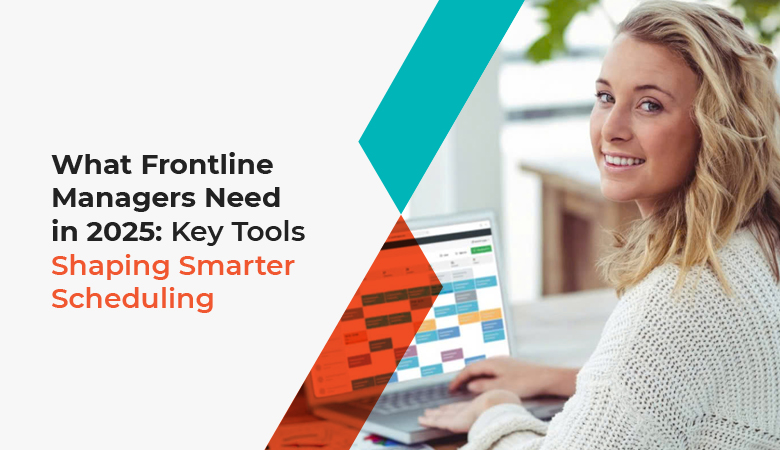
What Frontline Managers Need in 2025: Key Tools Shaping Smarter Scheduling

The 2025 Scheduling Reality Check

By 2025, frontline management in areas such as security, healthcare, events, and staffing will no longer simply be the filling of a roster, it will entail the arrangement of a living and moving organization, wherein a shift directly impacts the quality of service delivery, client satisfaction and staff retention.

In an age where labor market competition has never been higher, it is no longer possible to maintain only reactive planning and manual scheduling. Smart, technology-enabled scheduling tools have become a necessity.


The Pressure on Frontline Leadership

Frontline managers face mounting challenges:

  • Tighter labor pools — especially in specialized roles.
  • Unpredictable demand — from last-minute event changes to urgent client requests.
  • Compliance pressures — keeping up with state and federal labor laws.

The balancing act is clear: meet staffing needs, keep costs in check, and maintain fairness — all without burning out your team.


Key Tools That Define Smarter Scheduling in 2025

1. Geo-Intelligent Shift Matching

Gone are the days of assigning shifts without considering location.
Geo-intelligent scheduling ensures assignments are matched based on proximity, availability, and skills — reducing travel time, cutting no-shows, and improving response speed for urgent coverage.


2. Employee Self-Scheduling — With Guardrails

Self-scheduling has moved from “nice to have” to standard expectation in many industries. But unmanaged autonomy can lead to gaps or conflicts.

Modern scheduling systems now let staff choose shifts within pre-set parameters:

  • Coverage requirements
  • Skill qualifications
  • Max hours and rest periods

This approach keeps flexibility high without losing operational control.


3. Real-Time Communication & Updates

A shift change in 2025 isn’t a phone call — it’s a push notification.
Frontline managers need tools that instantly alert available staff, allow for quick accept/decline responses, and confirm replacements in seconds — not hours.


4. Data-Driven Staffing Insights

Scheduling decisions are no longer based on guesswork.
Analytics now power:

  • Demand forecasting based on seasonality or historical trends
  • Overtime monitoring to prevent budget overruns
  • Performance data to assign shifts strategically

5. Built-In Compliance Management

Labor law compliance is no longer just an HR concern — frontline managers are now expected to uphold it in real time. Modern platforms automatically flag violations for:

  • Overtime caps
  • Rest break requirements
  • Shift length restrictions

Why This Matters for Frontline Managers

Smarter scheduling doesn’t just improve coverage — it:

  • Reduces burnout by balancing workloads fairly
  • Boosts retention through flexible, transparent processes
  • Strengthens client trust with consistent, reliable staffing

In 2025, the right scheduling tools are no longer optional — they’re part of a frontline manager’s core toolkit.


How GigFlex Delivers

GigFlex’s Geo-Intelligent Scheduling™ platform that suits the current dynamic and high-stake scheduling world. It has transformed the way the frontline manager schedules their teams, with real-time shift matching, compliance-friendly self-scheduling, and mobile apps for labor flexibility to promote data-informed, people-forward staffing decisions without sacrificing speed or control.

Categories
Blog

How to Provide Gig workforces with Self-Scheduling Empowerment Without Losing Control

The Gig Economy’s New Priority: Flexibility

The U.S. gig economy has shifted well beyond ride sharing and delivery applications. Whether medical workers, event staff, or security, an increasing number of Americans prefer the flexibility of working on a contract basis as their primary source of income. A 2023 study by the Pew Research Center found that almost one in six (approximately 16 percent) of U.S. adults have ever made money using gig platforms in the previous year, and flexibility is the primary reason they do so.

The problem, however, is the flexibility desired by employers: How can you provide field staff the independence they desire without compromising coverage, compliance and operational control?


Why “Pick Your Own Shift” Isn’t Always a Win

Self-scheduling can be a game changer for personnel satisfaction — but it can also create headaches if left unchecked. Without boundaries, you risk:

  • Shift gaps that lead to service disruptions.
  • Last-minute cancellations that throw the day’s plans into chaos.
  • Uneven workload distribution, where a few field staff are overbooked and others are underutilized.

Industries like healthcare, events, and security have seen these issues firsthand. While giving gig personnel more control can boost morale, the absence of structure can undermine reliability.


Smarter Ways to Share the Scheduling Power

Instead of an “anything goes” model, progressive employers are embracing structured flexibility. A few proven strategies include:

  • Set Boundaries, Not Restrictions
    Allow staff to pick shifts only within pre-approved hours or locations. This ensures critical times are always covered.
  • Use Location-Aware Scheduling
    Geo-intelligent scheduling tools prioritize roster members who are closer to the job site, saving travel time and reducing no-shows.
  • Fill Gaps Fast
    Real-time scheduling updates let managers broadcast open shifts instantly, giving nearby and available s the first opportunity to accept.

Keeping Flexibility Without Losing Oversight

Control doesn’t have to mean micromanagement. The most successful systems balance personnel  freedom with operational safeguards, such as:

  • Fair Rotation Policies
    Prevent shift hoarding by capping how many high-demand slots one workforce can take in a given period.
  • Data-Driven Adjustments
    Use analytics to monitor coverage patterns, identify burnout risks, and adjust shift allocation accordingly.
  • Built-in Compliance Checks
    Ensure labor rules — like mandatory rest breaks or maximum shift lengths — are automatically enforced.

The Business Payoff of Structured Autonomy

When done right, self-scheduling does more than make employees happy. It also leads to:

  • Higher Retention — field staff who control their schedules are more likely to stay engaged and loyal.
  • Better Coverage — Last-minute holes get filled faster without leaning heavily on costly overtime.
  • Stronger Manager Relationships — Transparent rules reduce friction and build mutual trust.

Closing Thoughts

Giving gig workers more control doesn’t mean giving up your own. By combining technology, clear rules, and data-driven oversight, you can offer the freedom of today’s workforce values while ensuring your operations never miss a beat.

GigFlex makes this possible with tools designed for the realities of gig work — from geo-intelligent scheduling to real-time shift updates.Learn more about how GigFlex can help.