Categories
Blog

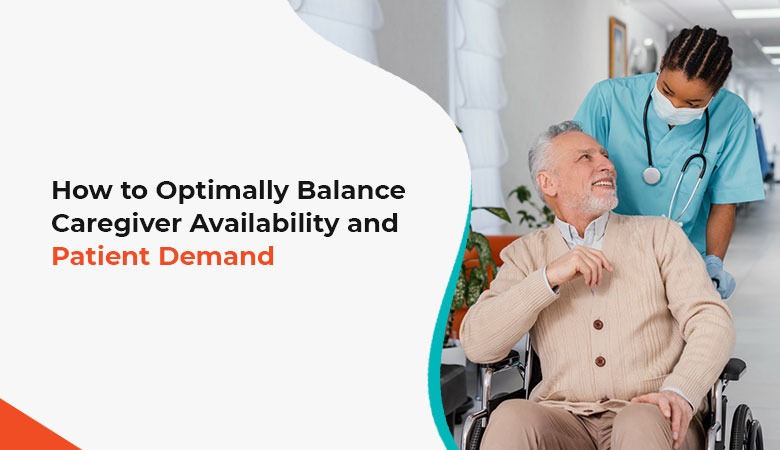
How to Optimally Balance Caregiver Availability and Patient Demand

It is a critical challenge in home care & professional nursing to balance caregiver availability with patient demand. These days it often involves the use of technology to match staff skills & availability with patient needs. To avoid burnout & guarantee continuity of care you need to include effective tactics. These tactics have automated scheduling, implementing AI-powered workforce management systems & also creating open lines of communication.

Why Balancing Caregiver Availability Matters

Home Healthcare demand is rising due to aging populations, chronic illnesses & higher patient expectations. Simultaneously many providers face caregiver shortages plus unpredictable scheduling challenges.

When caregiver availability is not managed properly, organizations may face several operational challenges:

ChallengeImpact
Staff BurnoutLower productivity along with higher stress.
Long Wait TimesDecreased satisfaction among patients.
Gaps in SchedulesIrregular care delivery
Huge Employee TurnoverHeightened hiring pays or costs
Poor Patient ResultsHealthcare quality becomes poor.

Platforms like CareHudl by GigFlex help healthcare organizations improve caregiver scheduling, reduce burnout, and manage workforce demand more efficiently 

Ideas to Balance Caregiver Availability and Patient Demand

The following are important tactics or ideas for striking a balance between patient demand & caregiver availability from multiple sources:

1. Technology Driven Solutions:

  • AI-Enhanced Scheduling: Geo-Intelligent  workforce management software is fruitful in saving time. They ensure sufficient coverage also. They do so by matching staff capabilities, availability & patient demand while minimizing commute times for home care workers.
  • Automated Matching Tools: Home care scheduling software can make use of automated alerts or gap management tools. This lowers caregiver no-shows. It will also better handles peak demand periods such as weekends or national holidays.
  • Real-time Data & Analytics: AI technologies can deliver powerful real- time analytics & predictive forecasts. They help organizations in proactively planning for staffing changes. 
  • Online Booking Platforms: Productivity can be raised by putting in place online scheduling systems with up-to-the-minute availability displays. You can put automatic confirmations & 24/7 booking possibilities also in place for good efficiency.

2. Management of Workers By Strategies:

•  Proactive Planning: To make sure that caregiver workloads stay equitable and commute times are minimized. All this leads to lower turnover. This software enables administrators to easily scale personnel up or down to fit demand.

•  Managing High-Demand Caregivers: Overassign high-performing caregivers to patients with high needs can create burnout and turnover. Distributing the workload equitably & promoting team care tactics are very effective methods to improve worker retention.

•  Regular Monitoring: Enterprises can adjust staffing numbers. All this is done in response to fluctuating patient requirements. They can do that by keeping a close eye on scheduling norms and key performance indicators (KPIs).

3. Patient Centric Scheduling Methods:

Automated Waitlists: By filling cancelled appointments the automated waitlist systems help increase caregiver utilization. They do so by making sure that caregivers are not idle & that patient demand is fully satisfied.

•  Telehealth Integration: Try to include telehealth services & virtual consultations for daily care. This can free up in-person caregiver time for high intensity plus physical care demands.

•  Flexibility & Customization: We know it’s essential to adhere to a patient care plan. Providing flexible scheduling options that complement family routines plus patient preferences are good. They are there to enhance patient satisfaction & also care results.

4. Handling Burnout in Caregivers:

Support Systems: Building a network of family, friends or local resources is so pivotal for family caregivers. This helps them in managing their burden.

•  Respite Care: By allowing for scheduled pauses respite care services comfort caregivers in upkeeping their own health. They also make sure the patient’s needs are satisfied.

•  Thoroughly Defined Boundaries: Burnout can be easily avoided by thoroughly defining availability limits.

Importance of Communication in Home Healthcare

Effective communication between healthcare administrators & caregivers is so crucial for upkeeping workforce balance.

Good Communication Practices

• Try to share schedules properly & fast
• Give staff early notice about shift updates
• Encourage regular feedbacks from employees
• Conduct regular team discussions
Transparent communication helps change teamwork along with diminished scheduling conflicts.

Managing Caregiver Burnout Effectively

Caregiver burnout directly affects patient care quality and staff retention.

Signs of Caregiver Burnout

• Physical exhaustion.
• Emotional fatigue.
• Enhanced absenteeism.
• Less motivation to do things.
• Workplace stress.
Healthcare organizations need to give priority to caregiver wellness. They need to provide mental health support programs for better mental health.

Burnout Prevention Tips

  • Offer flexible scheduling and self-scheduling empowerment.
  • Encourage regular breaks
  • Provide wellness resources
  • Recognize employee contributions
  • Promote work-life balance

Benefits of Proper Caregiver-Patient Balance

CareHudl provides real-time scheduling visibility that helps agencies quickly adapt to changing patient demands 

BenefitResult
Reduced CostsBetter workforce utilization
Lower Employee TurnoverImproved staff retention
Increased EfficiencyFaster patient service
Better ComplianceHigher healthcare standards

Benefits for Patients

  • Faster response times
  • Higher quality care
  • Better patient satisfaction
  • Improved health outcomes
  • Personalized attention

Role of Data Analytics in Healthcare Staffing

Data driven workforce management is not arguably so important in healthcare these days.

Healthcare organizations can track
• Patient admission patterns.
• Staff productivity.
• Overtime hours of caregivers.
• Daily employee attendance.
• Treatment time for patients.
Using workforce analytics assists administrators make better & knowledgeable staffing judgments. It also helps in boosting operational efficiency.

Future Trends in Caregiver Workforce Management

Healthcare staffing strategies are evolving rapidly. The main reason behind this is technology advancements & changing patient expectations.

Emerging Trends

1. AI Related Staffing Systems

Artificial intelligence (AI) can forecast patient demands. They also help generate optimal caregiver schedules whjile reducing administrative overhead.

2. Remote Patient Monitoring

Remote healthcare services help decrease or minimize caregiver workload & hence improve efficiency.

3. Flexible Healthcare Workforce

More caregivers are seeking flexible and on-demand work opportunities through platforms like GigFlex.

4 Employee Wellness Programs

Healthcare organizations are increasingly investing in mental health & wellness initiatives for caregivers.

Conclusion

Balancing caregiver availability & patient demand is pivotal for delivering efficient and high quality healthcare services. Healthcare organizations or practices must adopt proactive staffing strategies. These strategies include predictive scheduling, flexible workforce management, tech integration & also employee wellness programs.

Solutions like CareHudl by GigFlex help home healthcare agencies streamline scheduling, improve caregiver retention, and deliver better patient care through smarter workforce management. Organizations that prioritizes workforce balance will be better equipped to meet growing patient demands. All this is done while maintaining excellent care standards.

Categories
Blog

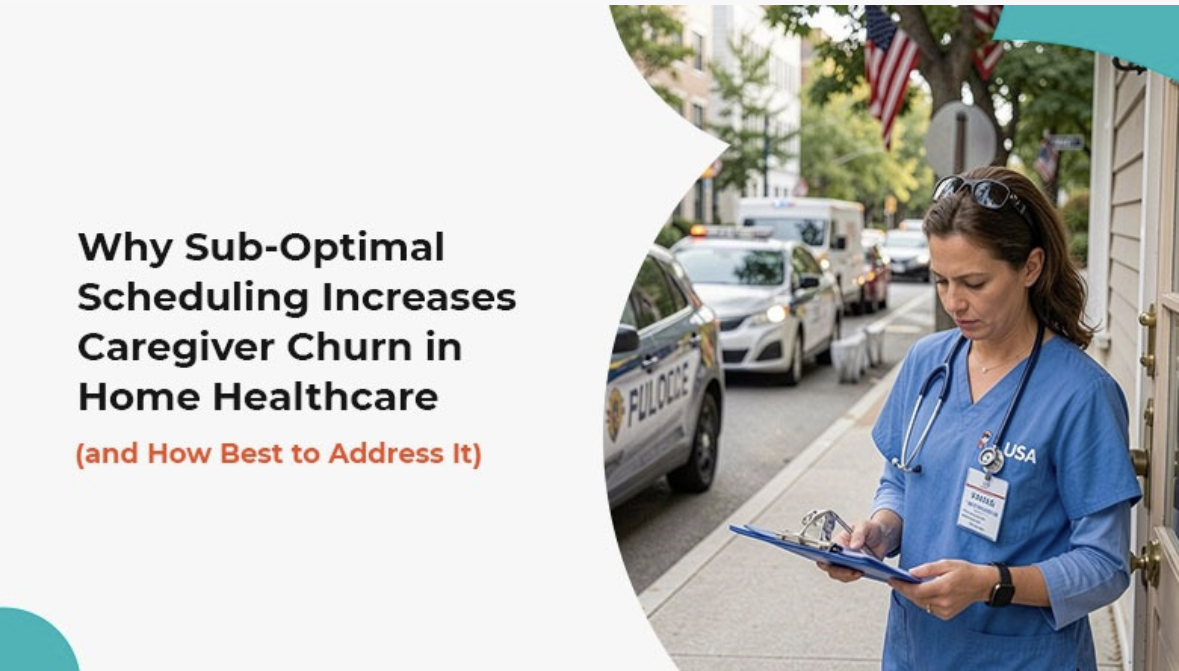
Why Sub-Optimal Scheduling Increases Caregiver Churn in Home Healthcare (and How Best to Address It)

Caregiver churn has become one of the biggest challenges in home healthcare as agencies are increasingly unable to keep up with the demand of skilled medical workforce while maintaining quality care for patients. A major contributing factor is poor scheduling. When caregivers face burnout due to demanding shifts and unfair work schedules, that eventually translates into high turnover.

It’s not just about filling shifts – workforce stability and caregiver retention is key. This is where CareHudl, a GigFlex product designed specifically for the home healthcare market comes to the rescue. CareHudl provides industry-unique scheduling software designed to improve caregiver utilization, performance and retention.

Caregiver churn and poor scheduling costs

Caregiver churn is the process where caregivers leave the medical agencies at the same rate as new hires. This repetitive process cycle creates challenges for health agencies like high recruitment costs, lapses in quality patient care and pause in the healthcare operations. The patients are affected as well, as the continuity in healthcare is disrupted and results in reduced  trust in the system.

One of the biggest factors which leads to caregiver churn in home healthcare is the lack of proper scheduling. Retention decreases when the caregivers are exposed to unfair workloads and shifts which results in burnout. Poor scheduling can increase hidden costs like recruitment and training, high turnover rates and revenue loss for the agencies. 

Patient Care Challenges

Caregiver churn not only affects the caregivers, but it also impacts the patients. When under stress due to unscheduled working hours, caregivers often tend to not deliver as high quality service, which leads to a decline in patient satisfaction. The consequences of caregiver churn in home healthcare are equally bad. Patients lose familiarity and stability when their caregiver leaves.

How sub-optimal scheduling shows up?

Sub-optimal scheduling can cause issues for caregivers, agencies and patients. Common contributors to sub-optimal scheduling include:

  • Overbooking of shifts
  • Unpredictable changes in schedule
  •  No rest hours
  • Long commute times between appointments

Caregivers want fairness in their assignments. Lack of perceived fairness can create an unstable workforce which makes caregiver retention even harder for medical agencies.

When the work patterns seem unfair, caregivers lose morale which declines the patient care quality. CareHudl is that application which addresses these challenges and provides an optimal scheduling software which relies on fairness, flexibility and transparency.

Core issues in scheduling gaps

A root cause of caregiver churn is scheduling gaps in their daily schedules. It is because the health agencies today still rely on the outdated software or prefer manual punching which makes it difficult to manage and look over shifts to ensure optimized appointment routes. Lack of communication between caregivers and management also adds to the worries. Without a reliable data and predictive planning algorithm, agencies will be unable to manage workloads of caregivers.

These core issues create stress for all, low morale for caregivers and lead to caregiver churn in the home healthcare field.

When caregivers feel unsupported, morale drops and turnover increases. CareHudl app helps agencies overcome these challenges by replacing manual processes with AI-enhanced Geo-Intelligent Scheduling® software. With fairness, transparency and data-driven planning, CareHudl reduces churn and strengthens caregiver retention.

Is smarter scheduling and transparency the ultimate solution?

The whole solution lies over the fact of smarter scheduling. It is that key which can help in the reduction of caregiver churn and build a reliable workforce in healthcare. Smart scheduling can be achieved by using technology, i.e. get reliable data, use automation and predictive analysis. It can increase flexible scheduling hours for caregivers, which can further allow them to honor their personal commitments.

Transparency in the caregiver policies is also equally important. Caregivers require clear information on the assignment of shifts. This is where the advanced scheduling software would require real-time updates.

GigFlex’s CareHudl App: Eradicating Caregiver Churn

CareHudl application by GigFlex is the solution on which medical agencies can rely. This app is designed in such a way to transform the healthcare schedule. It automates the real time data and optimizes by using smart scheduling software to ensure fairness, flexibility, and transparency in generating shift schedules for caregivers. The real-time update provides transparency and removes sub-optimal scheduling which increases the trust. Predictive tools balance the workloads which leads to reduced stress and caregiver burnout.

Those who have used CareHudl have reported low caregiver churn and strong caregiver-patient bond. It’s a win-win for both, as with flexible options caregivers feel valued and increases their morale which results in improved patient treatments. The long-term benefits include reduced costs and consistency in high quality home healthcare – all possible through CareHudl.

Conclusion

Effective home healthcare scheduling should be viewed as an effective caregiver retention program. Poor scheduling results in caregiver churn and decreased patient quality while transparency, flexibility and time management for caregivers results in better retention and a stronger bond of care between caregivers, patients and agencies. Agencies adopting CareHudl have gained long term benefits and improved healthcare workforce management. Better home healthcare means healthier teams and commitment of quality for the agencies.

Categories
Blog

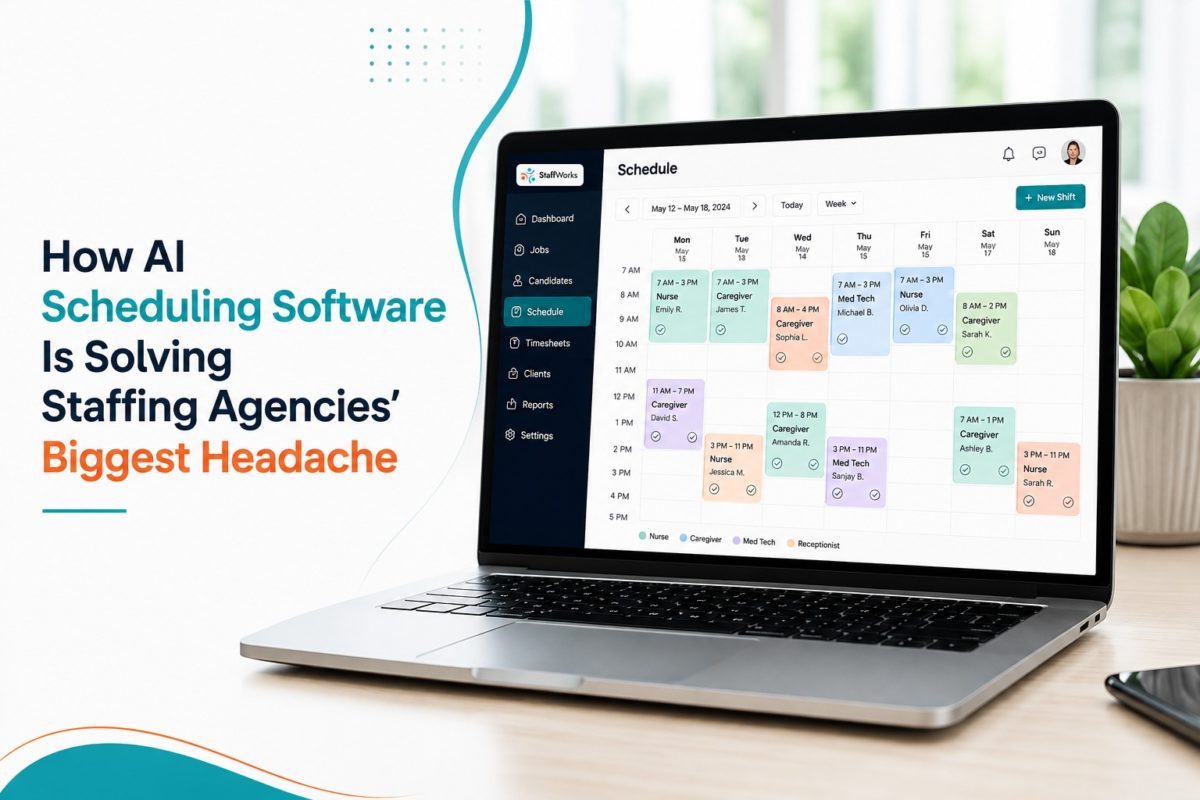
How StaffWorks Can Significantly Improve Worker Utilization and Performance for Staffing Agencies

Staffing agencies operate on relatively thin margins where efficiency can mean the difference between break-even and profitability. Having the right person at the right time is not just an operational need but also determines how an agency can retain existing customers and grow with them.

As agencies expand, it becomes harder to coordinate with staff at different sites, times, and over client demands. Even minor inefficiencies in scheduling and allocation begin to affect staff utilization, performance, and financial results.

This is where StaffWorks by GigFlex can really come in handy.

The Labor Supply Dilemma in the Workforce

Work is not always distributed evenly among staff.

There are staff who are overworked and overstretched and those that are not fully utilized. This imbalance results in lost opportunities, higher expenditure, and lower satisfaction all around.

Agencies can also struggle with last-minute cancellations, open shifts, and poor insight into staff supply. With the absence of an integrated system, it is hard to schedule optimally and equitably.

The Failure of Traditional Workforce Management Systems

A large number of staffing agencies continue to use spreadsheets, phone calls, and disjointed tools to manage their workforce.

This makes it difficult to access real-time availability, allocate work as per staff’s skills and location, and respond timely to changes.

Consequently, issue mitigation tends to be reactive. Most of the time, the admin is busy fixing issues as they occur instead of proactively addressing potential issues before they actually occur.

This reactive approach can have a direct negative effect on the productivity of the team and client satisfaction.

The Transition from Manual Allocation to Intelligent Matching

A key difference with StaffWorks is the manner in which staff are scheduled and managed. With GigFlex, GeoIntelligent Scheduling work efficiency can improve by 30% or more. That’s like having 30% more workers with the same payroll.

GigFlex takes into account a number of factors such as availability, location, skill sets, and shift requirements before assigning schedules, and can run thousands of simulations in seconds to ensure that the final schedule is optimal.

Enhancing Worker Utilization Board-wide

Having a real-time view into staff performance can help administrators increase productivity.

Using StaffWorks, agencies have access to the available workers, their locations, and how they can be efficiently allocated.

This helps save time, and more workers are kept busy. Equal distribution of work also avoids overloading specific workers as others go unutilized, making the workforce more stable and efficient.

Improving Worker Performance by Improving Alignment

Performance is automatically enhanced when workers are placed in jobs that best suit them and are scheduled in a manner that will minimize commute times and increase productive utilization.

StaffWorks makes it possible by matching the staff profile with the job more smartly, minimizing the number of mismatches, enhancing the quality of schedules, and helping administrators staff with more confidence.

Lessening Last-Minute Bottlenecks and Interruptions

Typical staffing challenges include empty shifts and last-minute changes.

StaffWorks enables agencies to react to changes more effectively by giving real-time visibility and the ability to quickly reassign appointments to maximize appointment timeliness compliance.

Rather than rushing to occupy vacancies, teams are able to handle change in an organized system, which minimizes downtime and ensures service continuity.

Simplifying Communication and Coordination

Coordination, though important, is one of the most time-consuming parts of workforce management.

Repeated calls, messages, and follow-ups slow down decision-making and expose the possibility of miscommunication.

StaffWorks introduces a more organized flow of communication with a real-time view of updates, schedules, and changes that have been made.

This eliminates misunderstandings and enables teams to work with a lot more clarity.

Developing a More Reliable Workforce System

Consistency is a significant factor contributing to client as well as staff satisfaction.

There is a direct correlation between workforce satisfaction and stable scheduling.

StaffWorks can be leveraged to create this stability because it minimizes the variability in scheduling and enhances the level of overall coordination.

The Implication of This for Staffing Agencies

Through better allocation, less downtime, and better performance, agencies are able to cover more appointments without having to increase their workforce at the same rate.

This results in improved margins, improved client relationships, and a more scalable business model.

The Shift to Smarter Workforce Management

The trend in staffing is shifting toward efficiency, visibility, and real-time decision-making systems.

The operational complexity can no longer be dealt with by manual processes.

Tools such as StaffWorks are facilitating this transition by making the management of the workforce more organized and dynamic.

Conclusion

There is a close relationship between staff utilization and performance.

When the correct systems are established, the two enhance each other.

StaffWorks by GigFlex assists staffing agencies in their transition to a more controlled, proactive, and efficient way of management.

It is that change that enables agencies to work more consistently, more effectively, and with improved results in the long term.

Categories
Blog

Why CareHudl is an Innovative Leap for Home Healthcare Scheduling

Schedule Coordination is at the core of home healthcare. Care doesn’t happen in a single place. It cuts across houses, caregivers and changing patient requirements. At the heart of all this is scheduling which is something that has been historically regarded as a standard operations task as opposed to a mission-critical system.

In 2026, that difference in viewpoint is becoming a real issue. The manner in which scheduling is being managed has a direct impact on care delivery, staff efficiency, and patient experience, and can mean the difference between an “ok” agency and an outstanding one.

This is where Geo-Intelligent staffing solutions like CareHudl can make a real difference.

The Complexity Behind Home Healthcare Scheduling

Home healthcare is not about simply assigning shifts. It is about assigning the correct care giver to the correct patient, at the correct place, at the correct time.

Every scheduling decision is based on various factors. The availability of caregivers, matching caregiver skills to patient needs , travel distance, past patient experience.

These variables are hard to optimally manage when scheduling involves manual procedures, or tools that are not effectively interconnected. Sub-optimal tools and processes can create delays, mismatches, and require numerous adjustments that negatively affect staff effectiveness and patient satisfaction.

Why Traditional Scheduling Methods Fall Short

A large number of home healthcare providers continue to schedule caregivers using spreadsheets, calls and disjointed systems . This approach can work at a small scale but tends to break down when operations become larger.

Real time appointment status becomes more difficult to see. There is low visibility between teams. Exceptions become harder to manage.

This results in highly reactive operational processes . Rather than anticipating issues and proactively addressing them, teams end up spending the majority of their time fire-fighting problems after they occur.

This decreases caregiver utilization, and performance and increases the risk of missed visits or bad patient experiences.

A Shift from Manual to Intelligent Schedulin

CareHudl can transform the manner in which scheduling is done.

With CareHudl scheduling becomes dynamic. There is a faster and more accurate decision making process as multiple data points are taken into account and processed by an AI-enhanced system.

The matching of availability, location and skill is not done in isolation. It is performed system-wide ensuring optimal scheduling effectiveness .

This transforms scheduling into a sustainable differentiator for companies that embrace this kind of technology..

Improving Care Delivery Through Better Scheduling

Small delays in home healthcare scheduling can directly affect the quality of care.

Optimization of scheduling ensures that the caregivers arrive at the right time, patients are well taken care of and disruption is at a minimum.

CareHudl, A Gigflex product helps with this, minimizing scheduling gaps and enhancing patient needs and caregiver availability alignment.

This results in a more predictable and stable care environment that is essential for effective home healthcare.

Reducing Operational Pressure on Teams

Scheduling problems tend to put pressure on the whole organization.

Teams waste time in dealing with last minute changes and conflicts and communication gaps. This inhibits their capacity to concentrate on other tasks.

CareHudl is an solution that can alleviate this burden through greater visibility and easier coordination. Teams are able to view what is going on in real time and act with the assurance that their actions will optimally improve service delivery effectiveness.

This simplifies operations and scheduler stress.

Enabling Faster Response to Real-Time Changes

The home healthcare environment is erratic. Typical days involve cancellations, emergencies, and changes of schedules.

The difference between an average home health agency and a superior one is how they rise to meet these daily challenges..

CareHudl enables operations teams to make effective real-time scheduling adjustments, which in turn makes it much easier to cover gaps and ensure continuity of care. Changes are managed in an AI-enhanced system rather than manually by operations staff.

This enhances outcomes and reduces operations workload at the same time!!

Better Utilization of Caregivers

Balancing workload is one of the greatest problems of home healthcare.

Certain caregivers can be overworked and some underworked. This impacts on efficiency and employee satisfaction.

CareHudl assists in work distribution that takes into account the availability, location, and alignment of skills in one place. This will result in an enhanced workload balance and team performance.

This also helps in retention in the long run because it helps in curbing burnout.

Strengthening Patient Experience and Trust

Appointment timeliness compliance has direct effects on the patient experience.

Trust can be diminished by the late arrivals, missed appointments, and the perception of unreliable caregivers. Though the quality of care might be high, the perception of care may be not.

CareHudl enhances the accuracy and consistency of scheduling to build a more trustworthy patient experience.

This consistency creates a sense of trust that is necessary in long-term care relationships.

Why is it an Innovative Leap?

The value of CareHudl is not in efficiency gains only. It creates the opportunity for home care providers to take a whole new approach to scheduling.

Rather than dealing with schedules as a standalone task, it unites the data, coordination, and decision-making into a single system.

This minimizes reliance on manual operations and enhances general organization of operations.

This is not a minor change to home healthcare providers. It transforms team planning, response and care delivery.

The Direction Home Healthcare Is Moving Towards

With the increasing demand of home healthcare, there is more need to have improved systems.

Scheduling should no longer be viewed as just an operational layer. It should be embraced as a mission critical component in the process of effective care delivery and management.

Scheduling platforms such as CareHudl are leading the way by increasing the levels of geo-intelligence, responsiveness for home healthcare agencies

The outcome is improved caregiver utilization, performance and retention through a reliable and scalable system that dramatically improves scheduler effectiveness .

Closing Thought

Home healthcare relies on effective coordination.

Making better decisions in real time are what today’s operations teams really need and this is what CareHudl can deliver . It shifts the manual process of scheduling to a pro-active system that ensures improved care delivery.

It is what makes it an innovative leap.


Categories
Blog

How to Reduce Scheduling Stress for Your In-The-Field Workforce

The weight of constant scheduling

If you’re managing a field-based team, you know how quickly things fall apart.

One person calls out. Another gets stuck in traffic. A client changes the plan at the last minute. Suddenly you’re scrambling, and your day is gone.

Here’s the thing: it’s not just about filling empty shifts. Bad scheduling eats into profits, frustrates customers, and burns out your team. It wears you down too. But the truth is, most of this stress comes from the way schedules are built and managed—not from the work itself.

The question is: how do you fix it? 


Why scheduling field teams is so hard

Field scheduling isn’t like managing an office. It’s unpredictable. You’re dealing with moving parts that don’t sit still.

Common pain points include:

  • Sick calls or last-minute cancellations
  • Traffic, weather, and travel delays
  • Clients changing requirements with little notice
  • Rules, certifications, and compliance pressures

Put it all together and you get missed shifts, overtime costs, and managers stuck in constant firefighting mode.


Five ways to take the stress out of scheduling

1. Put everything in one place

If your schedule lives in spreadsheets, emails, and text threads, you’re asking for mistakes. A single system where you can see every worker, shift, and update cuts confusion. Everyone works from the same source of truth—and that alone removes a lot of headaches.


2. Match people by location

Not every available worker is the right choice. Assigning the closest qualified person saves time, fuel, and frustration. Geo-based scheduling takes the guesswork out of last-minute coverage. You don’t just fill a shift—you fill it smartly.


3. Keep communication instant

Delays in communication cause more no-shows than you think. If staff can accept or swap shifts from their phone, you don’t waste hours chasing responses. Real-time updates keep everyone on the same page.


4. Let workers have a say

Most people want some control over their schedule. Give them the option to accept, decline, or swap within set limits. They’ll feel more respected and you’ll see fewer last-minute dropouts. It’s not about losing control—it’s about building trust.


5. Plan before the fire starts

A lot of stress comes from waiting until the last minute. Look at your past data. Spot patterns. Prepare for the weeks when demand spikes. The more you anticipate, the less you scramble.


Where technology makes the difference

Manual scheduling is reactive—you’re always fixing problems after they blow up. Smart scheduling software flips that. It helps you see risks before they become disasters.

GigFlex is built for this:

  • StaffWorks → for staffing agencies managing constant churn
  • EventWorks → for live events that need flexible, on-demand coverage
  • CareHudl → for healthcare teams that can’t afford compliance mistakes

With tools like these, scheduling shifts from stress to strategy.


The payoff of smarter scheduling

When scheduling runs smoothly, everything else gets easier:

  • Workers are happier and less likely to burn out
  • No-shows drop because updates are instant
  • Overtime costs shrink
  • Clients notice reliability and stick with you
  • Managers get back time to focus on growth instead of patching holes

Stress doesn’t just go down. Performance goes up.


Getting started

Here’s how to take the first step:

  1. Review your current system and find the bottlenecks
  2. Identify what stresses you most—last-minute changes, compliance, no-shows
  3. Choose a tool that solves those problems directly
  4. Train your team and let them use it daily

That’s how you move from firefighting to forward planning. And that’s exactly why GigFlex exists.


Final word

Scheduling doesn’t have to drain you. With the right approach and the right tools, it becomes an advantage.

The choice is simple: keep patching problems, or build a system that runs smoothly on its own. If you’re ready to take the stress out of scheduling, GigFlex is built to help.

Categories
Blog

The Best Mobile App for Mobile Worker Scheduling

Why Traditional Scheduling No Longer Works

Trying to manage a mobile workforce today is a juggling act. A sick worker, a worker stuck in traffic or a  last minute venue change can throw everything off balance. If managers have to switch back and forth between emails, spreadsheets, phone calls and group chats to fix scheduling variances, the battle may be lost before it has even started.

The reality is—most scheduling software just isn’t built for this. Static scheduling systems designed for office workers simply don’t meet the demands of a fast-moving, location-flexible workforce.

That’s why many organizations are turning to GigFlex.

Meet the Mobile-First Solution

GigFlex isn’t a patched-up calendar tool or a traditional Project Manager System. It was created with a single purpose, to ensure distributed shift-based teams remain organized, efficient, and connected in any location.

Whether your team is heading to a patient’s home, a security site, or a live event, GigFlex brings everything together—schedules, alerts, staff availability, and compliance—into one easy-to-use platform.

What Makes GigFlex Different?

Most apps assume workers are at desks. GigFlex understands that they’re not. GigFlex’s patented solution scheduling systems integrate state of the art geo-intelligent scheduling with powerful dispatch management capabilities providing an optimal tool in managing a mobile workforce.

GigFlex keeps your team aligned in real time whether you have a security team; staff that rotates to do home visits, or a live event where you have last minute changes.

FeatureHow It Helps
Geo-intelligent schedulingAssigns staff based on location and availability
Live alertsNotifies teams of check-in issues or sudden changes
Intuitive mobile interfaceSimple for both employees to use
AI-Enhanced Exception ManagementOptimally fills intraday shift gaps
Audit-ready logsTracks compliance with time-stamped data

Together, these features help teams avoid chaos, fill gaps quickly, and operate more efficiently day-to-day.

Designed for Frontline Teams

  1. GigFlex isn’t just software—it’s an intelligent assistant for your teams and schedulers.
  2. Employees are able to view their next shifts, accept or refuse new ones, and check in with just one click.
  3. Supervisors have real-time the locations of all clients and staff throughout the day , enabling them to proactively and optimally respond to issues..
  4. Operations and compliance receive digital records, location data and shift history on a single dashboard.
  5. With everything under a single platform, you will have reduced confusion and mistakes—which translates into a better client/patient experience.

Ready for a Smarter Way to Work?

In industries where performance and compliance are non-negotiable, the old method of scheduling isn’t enough. You need something fast, flexible, and field-ready.

GigFlex supports you to go beyond reactive manual management to proactive intelligent coordination. You can have a small team and still be able to utilize the platform or have a large multi-location staff, and still make everything run smoothly as the platform automatically adjusts to your size and scope.

Ready to simplify your mobile team operations?
Explore GigFlex’s platforms and see how they fit your workflow.
Contact us to know more or book a demo today.