Categories
Blog

How CareHudl Improves Patient Retention Through Smarter Healthcare Scheduling

Clinical care has always been a core driver of patient retention in home healthcare.

Care outcomes are clearly important, but this is not the only variable that influences patient retention.

It turns out that effective scheduling is both an influencer of patient retention and one of the most neglected aspects of the total home healthcare experience.

Even when the care quality is good, delays, poor appointment times, and poor coordination may drive away patients silently. This is the point at which smarter scheduling can make a real difference.

Patient retention begins prior to the actual appointment. It begins much earlier, when a patient attempts to book an appointment.

When the process is tedious, ambiguous, and inconsistent, it creates tension. Patients will have to contend with long waiting periods, rescheduling, or communication breakdowns.

With time, these minor issues accumulate frustration. Patients do not always complain, yet they may start seeking alternatives.

Poor Scheduling – The Silent Killer

Scheduling is not always a direct reason why an agency might lose patients, but it can be a substantial contributing factor.

Late visits reduce continuity of care. Delays affect trust. Uncertainty is created by the lack of clarity.

These issues are even more visible in home healthcare and distributed care settings. The experience becomes inconsistent when caregivers arrive late or frequently change schedules.

The overall experience feels unreliable, even when clinical care is effective.

Linking Scheduling and Patient Experience

Scheduling is not only an operational activity. It has a direct influence on how patients perceive care.

A well-planned scheduling process results in on-time visits, consistent caregiver assignments, and effective communication. This creates a sense of reliability.

When patients know what to expect and experience fewer disruptions, their trust in the provider increases.

It is this trust that ultimately leads to retention.

Traditional Scheduling Systems: Where They Fail

Many healthcare providers continue to rely on manual scheduling or disconnected tools.

These systems make it difficult to manage availability, respond to last-minute changes, and maintain consistency across multiple patients and caregivers.

The problem becomes more pronounced as operations scale. Scheduling teams spend increasing amounts of time trying to create workable schedules.

The Change in Approach at CareHudl

CareHudl enhances the scheduling process by introducing real-time visibility and geo-intelligent scheduling.

AI-enhanced scheduling enables teams to handle dynamic inputs such as availability, location, and individual patient requirements with greater efficiency.

This makes scheduling more precise and flexible.

When changes occur, they can be managed quickly without disrupting the entire system.

Minimizing Missed Appointments and Delays

One of the most direct ways CareHudl improves patient retention is by reducing missed appointments.

Better coordination minimizes scheduling conflicts and enables faster adjustments when changes arise.

The result is fewer cancellations and unexpected delays. This consistency supports continuity of care, which is essential for long-term patient relationships.

Building Communication and Transparency

Poor communication is a major cause of patient dissatisfaction.

When patients are not informed about schedule or caregiver changes, it creates uncertainty.

CareHudl improves this by ensuring patients are kept informed and expectations are clearly set.

This reduces frustration and builds long-term trust.

Improving Better Caregiver Matching

The caregiver plays a key role in the patient experience.

Frequent caregiver changes or mismatched assignments can negatively impact trust and comfort.

CareHudl helps by analyzing patient–caregiver relationships and maintaining continuity when the match is successful.

This leads to a more consistent and positive patient experience.

Developing a More Trustworthy Care Experience

Reliability is one of the strongest drivers of patient retention.

Patients are more likely to stay with a provider when schedules are consistent, appointments are timely, and communication is clear.

CareHudl supports this by reducing variability in scheduling and improving overall coordination.

It creates a system where patients receive care without unnecessary disruptions.

The Implication for Healthcare Providers

Improving patient retention is not just about acquiring new patients—it is equally about keeping existing ones.

By optimizing scheduling processes, providers can improve both operational efficiency and patient satisfaction.

CareHudl enables teams to manage scheduling with greater control and less friction, which directly enhances the patient experience.

The Move to More Intelligent Scheduling

Healthcare is evolving toward systems that prioritize efficiency and patient experience.

Scheduling plays a central role in this transformation.

AI-enhanced platforms like CareHudl turn scheduling into a strategic tool for improving reliability, coordination, and patient relationships.

Closing Thought

Consistent and predictable experiences are key to patient retention.

Even small disruptions in scheduling can negatively impact patient satisfaction.

CareHudl helps by making scheduling more organized, responsive, and aligned with real-world needs.

In a system where every interaction matters, smarter scheduling becomes a fundamental component in keeping patients connected to care.
Categories
Blog

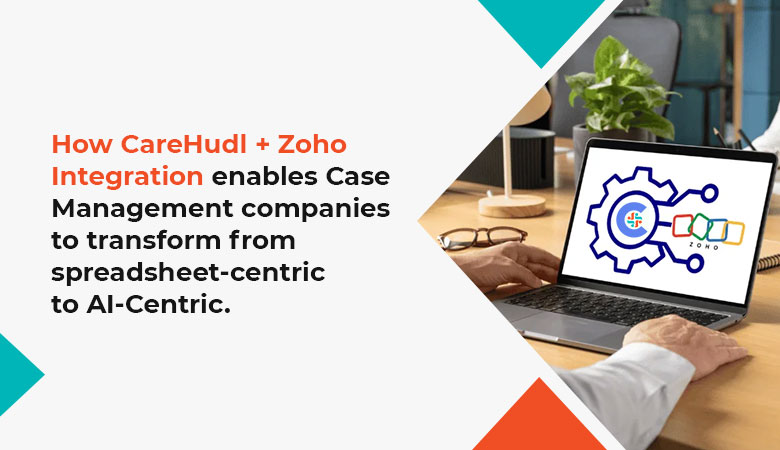
How CareHudl + Zoho Integration enables Case Management companies to transform from spreadsheet-centric to AI-Centric

For years, spreadsheets have been the backbone of case management operations. On the surface, they feel familiar, flexible, and inexpensive on the surface. 

Times have changed, and in 2026, Case management organizations, especially those managing complex care coordinations, distributed field teams, and growing compliance requirements, find that spreadsheets lack the sophistication needed to support optimal operations

As services shift to an outcome driven approach, spreadsheet-centric workflows reach their limit; fragmented data, delayed reporting, manual errors, and minimal visibility across departments negatively impacts operational efficiency, client outcomes, and leadership decision-making. 

The CareHudl + Zoho integration, delivered through GigFlex’s technology ecosystem, enables a major shift from manual spreadsheet-centric processes to an AI-centric operating model  – one built for scale, intelligence, and accountability. 

WHY Spreadsheet-Centric Models Hold Case Management Back 

Real-time care coordination or multiple-stakeholder collaboration was never defined as a critical requirement spreadsheet-based  case management systems. While they can store information, they often struggle to support the complexity of modern case management. 

These limitations show up clearly in daily operations. Because  “Spreadsheet-Centric systems” lacks any intelligence layer, they can record but cannot analyse patterns or even anticipate outcomes. As care models move toward value-based and outcome-focused frameworks, these weaknesses become operational liabilities. 

The Shift to AI-Centric Case Management

Digitizing the existing workflow isn’t the only thing an AI-centric model does; it rethinks the flow of data, how decisions are made, and eventually, after this, optimizes workflow to improve outcomes.

This goes beyond digitization. Data captured once is reused across the workflow to avoid repeated reentry. Systems are integrated, and communications happen in real-time, which helps teams to act on the current information rather than delayed static reports. 

Insights are generated automatically through analytics along with AI, field operations are coordinated dynamically, and leaders make decisions using predictive as well as historical intelligence. 

The CareHudl + Zoho integration forms the foundation for this shift. 

What CareHudl + Zoho Integration Delivers

CareHudl handles the operations, which include managing cases, field teams, and service delivery, while ZOHO provides a robust CRM, analytics, and automation backbone, and when integrated through GigFlex, these platforms create a unified ecosystem. 

Unified Case Data Across the Organization

Forget the age-old method of separate spreadsheets for intake, assignment, follow-ups, and outcomes – now, all case data lives within a centralized system. Also, when the updates are made by the field staff, coordinators, or supervisors, they are reflected right away. 

This one source of accurate information eliminates duplications, reduces errors, and makes sure every member of management works with correct and up-to-date information. 

Intelligent Workflow Automation

Manual tasks which commonly are assigning cases, scheduling visits, sending reminders can be automated based on the predefined rules. 

In real-time, cases can be assigned automatically based on the location, availability, or skill set. Follow-up tasks are triggered when a case status changes and the admin or supervisor are alerted before service level agreements are breached. This eliminates repetitive manual work and allows the team to focus on care quality and stakeholder engagement. 

Real-Time Field Operations Visibility

Field Operations often can’t be tracked with accuracy, but with CareHudl and Zoho’s integration, leaders gain real-time visibility into field staff location, case progress, potential bottlenecks, and completion status. This level of transparency enables proactive intervention rather than reactive firefighting.

Embedded AI for Smarter Decision-Making

AI capabilities integrated into the ecosystems analyze historical and real-time data to surface insights that spreadsheets simply cannot provide. 

These insights help an organization identify cases that are more likely to acquire intervention, can highlight workload imbalances across teams, or detect patterns that influence timelines or outcomes. Over time, this intelligence layer supports continuous improvement in both operational efficiency and service quality. 

Moving from Reporting to Insight

The Spreadsheet-Centric model has retrospective reporting and is labor intensive. Teams spend days just gathering the data, only to view what went wrong. 

With CareHudl + Zoho, dashboards update in real time, and the KPI’s are tracked automatically, and trends surface proactively. Leadership shifts from asking “What Happened” to

“What’s Next” – a clear marker of operational maturity. 

Compliance, Security, and Audit Readiness

Case management organizations mostly operate in a highly regulated environment. Maintaining compliance using spreadsheets increases risk due to inconsistent records and limited access controls. 

An AI-powered platform helps ensure compliance by giving users access based on their roles, keeping automated records of all actions, securely storing data, and maintaining consistent documentation for every case.

The GigFlex Advantage

GigFlex plays a critical role by ensuring that CareHudl and Zoho work together as a cohesive system, not just a technical but an operational integration.

Its partnership with Alef Case Management, GigFlex, has demonstrated how modern care organizations can modernize care coordination workflows, optimize field operations at scale, and transition confidently from traditional tools to intelligent platforms. 

What Transformation Looks Like in Practice

With CareHudl integration, case management companies experience faster case resolution, improved field staff productivity, higher data accuracy, and better leadership visibility. The most important part? The team spends less time managing data and can focus more on delivering care. For less than the cost of an additional scheduler, case manager utilization, performance and satisfaction improve dramatically.

Preparing Your Organization for the Shift

Technology isn’t the only factor that drives transformation. Successful adoption depends on clear ownership of data and workflows, 

From Spreadsheets to Strategy

The spreadsheet at this point can’t keep pace with the daily operations and management of an organization. 

CareHudl with Zoho, integrated with GigFlex Geo-Intelligent Scheduling technology case management organizations to move beyond manual processes toward an AI-centric mode, one that supports smart decision making, scalable operations, and improved coordination.

Categories
Blog

How Alef’s Use of CareHudl Showcases the Future of Case Management

The relationship between CareHudl and Alef is showcasing how AI-Enhanced Scheduling is ushering in a bright new future for case management. This partnership, on the surface, provides a solution that enhances scheduling processes, although it has much deeper implications. The partnership is an indication that case management organizations are undergoing a fundamental change in the way they are starting to think about how they operate, their technology, and the individuals who provide care in the sector.

Instead of considering scheduling as a secondary process or a strictly administrative problem, the Alef approach integrates it into the center of operations. This represents a growing industry realization that geo-intelligent coordination, timing, and realistic planning have a direct impact on the quality of the services, staff well-being, and compliance. 

Alef and CareHudl have introduced a model that other case management organizations are likely to adopt in the coming years.

Notably, this transformation is not a question of bringing technology to create something new and efficient. It is about looking at the reality that case management in the modern world is complex, and it needs systems that will be able to respond in real time, optimize decision-making, and reduce the operational strain on frontline teams.

The Limitations of Traditional Case Management Systems

The weaknesses of the traditional case management systems.

Case management organizations have long been relying on systems that were designed to facilitate and document. These tools were designed to take a picture of what transpired following the discharge of care, rather than proactively optimizing case manager utilization and performance.

This limitation has been particularly seen in scheduling. Scheduling is done manually in most case management organizations through spreadsheets, shared calendars, or through simple scheduling programs. Such systems assume stability and predictability, whereas field-based case management work hardly has a predictable pattern. Appointments were managed as fixed commitments as opposed to living plans once schedules were established.

Where there were issues–and there are invariably issues ranging from case managers calling in sick to new appointments needing to be scheduling of the fly –the scheduling teams were left to address scheduling exceptions manually on their own. 

This approach invariably creates  concealed expenses. Incident management becomes highly reactive. Case manager utilization is reduced. Operations staff become more stressed and experience cognitive overload. Field visibility field by supervisors becomes opaque..Minor inefficiencies added up to huge operational problems. What were initially operations workarounds slowly transformed into a loss of productivity.

Why the Existing Operational Model Has Reached Its Limits

The shortcomings of traditional operational models are becoming more and more evident as the case management programs continue to grow. As service areas expand, caseloads increase, and regulatory requirements become more complex.. These pressures reveal the weakness of manual coordination systems processes.

In the current environment, case management organizations struggle with operational inefficiency and administrative overhead. Hiring more schedulers to handle the growing administrative workload becomes less and less effective.

The core issue is a fundamental discontinuity between the realities of field-based care and the tools available to effectively manage it. When systems no longer accurately reflect reality in the field, increased workload is taken over by individuals. This eventually results in burnout, increased turnover, and instability in operations.

In order to proceed, organizations require systems that reflect real-world situations. Such systems have to consider travel time, geographical factors, evolving client demands, and unforeseen disruption. More importantly, they need to assist employees on the offensive as opposed to compelling them to provide a balance to systemic deficiencies.

Reframing Scheduling as a Dynamic Operational Capability

Reconsidering Scheduling as a Dynamic Capability.

The approach to scheduling has traditionally been considered an administrative necessity, something that has to be filled in, kept, and brought up. In this type of scheduling, the key aim of scheduling is compliance and organization, and not flexibility.

This challenge is met with the integration of Geo-Intelligent Scheduling® by Alef. Scheduling is managed not as a fixed commitment, but as a continually evolving operating paradigm that reacts to conditions in the real world. Variables like the location, duration of travelling, and availability of the clients are no longer secondary considerations but key inputs.

This approach transforms scheduling into a continual optimization process with incident response becoming proactive versus reactive;. the system is able to identify potential issues before they actually occur, and recommend and implement solutions with minimal  human involvement. 

In doing this, Alef transforms effective scheduling into a strategic differentiator and profitability driver. The system does not restrict decision-making; rather, it facilitates it to allow teams the freedom to adapt without compromising their structure, supervision, and responsibility.

Implications for Case Managers in the Field

Implication on Case managers in the field.

Among the greatest effects of this change, is the impact on case managers themselves. When schedules are sound, adaptable, and in accordance with the realities of the field, then case managers can concentrate on their main duties versus scheduling issues..

They can be more ready to visit instead of wasting precious time working out to get to the location through the most ineffective routes, or dealing with the inconveniences at the last moment. They come less hurried and more in attendance..

Cognitive load is also reduced by minimizing appointment disruptions. Case managers no longer face the need to deal with the stress that comes from unexpected changes such as poor weather and/or traffic conditions. This positively impacts job satisfaction, and long term retention-issues that remain a challenge to case management organizations throughout the industry.

More importantly, this method does not eliminate human judgment. Instead, it enhances it. The decisions made by case managers remain the same, except that now they are based on improved information and have fewer limitations. The system does not oppose them; it works together with them.

Benefits for Supervisors and Organizational Leadership

Geo-Intelligent scheduling can transform the way the supervisors and administrators work. Traditional systems tend to give little real-time information to the operations team on what was going on in the field. Issues had already grown out of proportion by the time they became visible.

Supervisors will be able to intervene earlier with a better understanding of schedules and field activity with more options as to how to optimally address issues. It is possible to increase or decrease workloads before employees get overworked. Before bottlenecks impact service delivery, it is possible to identify them. The aid may be directed where it is required the most.

Categories
Blog

How CareHudl Ensures the Right Caregiver Meets the Right Patient

Sofia is a 78-year-old patient recovering from a bypass surgery, who requires regular visits from a caregiver who knows her condition well and how to treat it; she arrives on time and stays until all is well.

Steve, a professional caregiver, lives nearby and is ready to start his day.

This is where Carehudl clocks in. It ensures that Sophia, who is the patient here, always gets the care that she needs.

Challenge: One Patient, Many Variables.

In traditional Home HealthCare:

  1. Caregivers travel long distances, which results in inefficiency
  2. Some visits start late or are even missed
  3. Patients like Sophia feel neglected, frustrated, and uncertain.

Carehudl is designed to understand severity. That’s why the entire mission is built around the right connections between caregivers and patients, smartly, swiftly, and consistently.

How Carehudl Makes the Right Match?

1 . Understanding Patient Needs

Carehudl starts by analyzing what matters most:

What’s the current situation

What kind of care does the patient need? What skills are required? Are there any special needs involved?

The patient’s context is more meaningful and is more than data.

2. Real-Time Caregiver Insight

Rather than assuming who’s or might be free, Carehudl pulls real-time data.

It analyses:

  1. Who’s on shift
  2. Who’s nearby
  3. Who has the right training

This means care isn’t scheduled, it’s now optimized.

3. Matching with Intelligence

The heart here is a geo-intelligent – AI-backed engine that finds caregivers who are physically closest to the patient. Matches caregivers with an appropriate skill set that minimizes travel time and delays.

What does this mean for Sophia?

Sophia gets Steve assigned to your appointment., Steve speaks her language and specializes in post-surgical care, and because he lives nearby can easily arrive on time for appointments regardless of weather or traffic conditions.

4. Real-Time Adjustments

As we know, life barely goes according to plan.

If there are any changes in the caregiver’s plan, or they face any emergency, Carehudl doesn’t wait for anyone’s approval.

It will,

  1. Instantly look for the best replacement
  2. Sends out notifications via mobile app so everyone is informed
  3. Uses real-time GPS to reroute available. This is how continuity of care stays integral.

No delays. No confusion.

We already know why this matters…. but here are some pointers on why this is important.

Carehudl isn’t just a software. It’s a promise.

For Patients:

  1. Fewer Late Arrivals
  2. Personalized Caregiver Matches
  3. Reliability that builds trust

For Caregivers:

  1. Fair Opportunities
  2. More meaningful visits
  3. Less burnout and travel fatigue

For Team:

  1. Better Compliance and Control
  2. Clear Communication
  3. Efficient Analytics and Report

This strengthens the relationship between the patient and caregiver.

It gets Better for Sophia and Steve.

Toward the end of that week, Sophia gets another caregiver who also understands her care plan.

Steve finishes his week without having to work overtime.

All thanks to the system built around intelligent matching and deep understanding of what quality care really is.

When the right Caregiver meets the right Patient, everyone wins.

Carehudl ensures that.

The right caregivers are matched based on skill and requirement.

The right caregiver arrives on time.

The right caregivers stay engaged throughout the visits.

It is a smart delivery framework.

Every moment is crucial, and Carehudl ensures that it is not wasted. 

We know that when care matters the most, a right management system does wonders. 

Categories
Blog

How to Reduce No-Shows and Cancellations in Event, Home Health & Agency Staffing

Can we have a moment of the truth? When you are in charge of a team in  event staffing operations, home health scheduling, or in agency staffing, you understand that heart-sinking moment. It is 6:00 AM, the shift begins at 7:00 AM and you are informed by your phone of a cancellation, or likely no-show.

This is not merely an administrative pain; but it is a threat to your own reputation, continuity of patient care, and even your bottom line. We understand that you have a busy schedule and the issues in dealing with lack of  workforce reliability. The good news? There are technology solutions available that can make your life a whole lot easier. 

We’re going to show you how to move from reactive crisis management to proactive prevention, helping you drastically reduce no-shows and cancellations for good.


Why Your Shifts Are Failing: Understanding the Root Cause

Before we deploy the tech, let’s identify why your valuable workers are bailing. It usually comes down to three human factors:

  • Burnout & Stress: Especially critical in Home Health Scheduling, where caregivers face emotional fatigue. Poorly managed schedules turn into mandatory overtime, eroding employee engagement.
  • Lack of Fit: In Agency Staffing, if available shifts don’t align with a worker’s skills, location, or true availability, they’ll eventually look for  opportunities elsewhere.
  • Communication Gaps: A static schedule printed last Tuesday can’t compete with a real-time life event. Simple, non-intrusive confirmation methods are often missing.

You’re not battling bad people; you’re battling bad scheduling friction.


The Technology Fix: Proactive Strategies to Reduce No-Shows and Cancellations

The best defense against a no-show is a modern, intuitive scheduling system that prioritizes the worker experience.

Pre-Shift Confirmation: Beyond the Email

Email reminders are easily lost; emails are easily ignored. The key to minimizing no-shows is multi-channel, personalized, and timely communication.

Use a system that sends automated reminders 24, 12, and 2 hours before a shift via their preferred channel—whether that’s a quick push notification through an app or a simple SMS reply. Better yet, require them to actively confirm the shift. If they don’t confirm, the shift automatically flags itself for immediate backfilling, drastically improving shift fulfillment.

Dynamic Shift Matching (Addressing Job Fit)

No-shows often happen when a worker is assigned a shift that they are not fully committed to. Geo-intelligent platforms solve this by using dynamic matching to ensure the right worker—with the right skills, equipment, and travel distance tolerance—gets the offer first.

For your Event Staffing needs, for example, a system that lets workers select shifts based on venue preference or a specific team member they like working with builds commitment. We dive into more specific strategies for your organization on our specialized industry pages, like our guidance for Staffing Agencies.

The Power of Predictive Scheduling (Spotting Red Flags)

Scheduling at the expert level is dependent on real-time data and analytics. The system should be intelligent and utilize historical information (past no-shows, late cancellations, and travel times) to warn of a shift before it can become a problem. This proactive scheduling will provide your management team with some prior warning to get in touch with a possibly unreliable employee or begin the backfill operation early. This is intelligent management.


Sector Spotlight: Tailoring Reliability to Your Niche

While core principles are universal, the solution also needs to be tuned to specific industries.

For Home Health Scheduling: The Trust Factor

In home care, a no-show is a serious breach of trust. Focusing on continuity is paramount. We recommend leveraging technology that allows clients and caregivers to rate their fit. When a match is highly rated, the system prioritizes that match, which is a major factor in staff retention and helps us build truly reliable care networks. You can explore how we handle the sensitive nature of Home Healthcare needs in detail.

For Event Staffing: The Commitment Culture

Event staff often work one-off shifts. The key here is instant, clear communication about expectations and immediate payment. Utilizing an app-based system that shows clear, engaging job details for Event Management and handles quick, transparent check-in/check-out dramatically increases accountability.


A Culture of Reliability: Improving Employee Engagement and Staff Retention

Finally, in order to minimize no-shows and cancellations, you have to develop strategies for staff retention. Trustworthy employees do not resign; they remain in the places where they are appreciated, their time is managed, and their time is also reasonable. The current scheduling software will provide you with the power to control your workforce and the flexibility that your employees require.

This blend of efficiency and empathy is what drives true business success.


Ready to End the Chaos?

Stop leaving your daily operations to chance and guesswork. Start using intelligent scheduling designed to handle the dynamic needs of your unique workforce.

To explore the solutions that empower the best staffing, event, and home health organizations, visit the GigFlex homepage.

Categories
Blog

Top Challenges in Home Healthcare Staffing and How AI-Enhanced Technology Can Really Help

If you’ve ever taken care of an aging parent, supported a loved one recovering at home, or tried to arrange reliable in-home help, you already know this: home healthcare is personal. It’s emotional. And when things don’t work the way they should—when shifts go unfilled or caregivers change constantly—it can feel overwhelming.

Home healthcare agencies are facing some of the toughest staffing challenges in the entire healthcare industry. Many are doing their absolute best, but the reality is simple: demand keeps growing, and the system hasn’t kept up.

The good news? New AI-enhanced tools (like the geo-intelligent solutions from GigFlex) are finally giving agencies the support they’ve been missing—helping them hire better, schedule smarter, and deliver care families can truly depend on.


Why Home Healthcare Is Growing Faster Than Agencies Can Support

Across the U.S., more families prefer home care over long hospital stays or nursing facilities. Seniors want to stay in the comfort of their homes. Hospitals now rely on home-based post-acute care services to reduce costs. It’s a shift that makes sense.

But this huge demand has created a huge gap.

The Bureau of Labor Statistics expects home health aide jobs to grow much faster than most jobs through 2032. And still, agencies struggle to hire, train, and retain caregivers fast enough.

One agency owner put it perfectly:
“There’s always more need than people to fill it.”


The Most Common Staffing Challenges Agencies Face Every Day

1. Finding and Keeping Good Caregivers

Caregivers are the heart of home healthcare. But the burnout is real. Many leave because of stress, long hours, low pay, or lack of growth.

Recruiting is slow. Screening takes time. Onboarding drags on.
By the time a new caregiver finally starts, another one has already left.

It creates a never-ending cycle for agencies… and for families waiting for help.


2. Scheduling: The Part No One Sees, But Everyone Feels

Imagine trying to juggle:

  • caregiver availability
  • patient needs
  • last-minute cancellations
  • weather delays
  • commute times
  • compliance rules

Now do that for dozens or hundreds of caregivers every week.

Most agencies still handle scheduling manually or with outdated tools. So when someone calls in sick, things fall apart. Families are left waiting. Caregivers get frustrated. And schedulers spend hours fighting fires.


3. Credential Tracking That Can Quickly Turn Into Chaos

Every caregiver needs:

  • background checks
  • training
  • certifications
  • immunization records
  • renewal reminders

When this is handled on paper or spreadsheets, something always slips. And even one expired credential can mean serious consequences.

It’s stressful for agencies—and unfair to caregivers who genuinely want to stay compliant.


4. Matching the Right Caregiver With the Right Patient

This part gets overlooked, but it’s everything.

A great match means comfort, trust, and long-term stability—especially for seniors. But creating that match isn’t simple. Agencies must balance:

  • skill level
  • patient needs
  • personality fit
  • language preferences
  • location
  • past experience

Manual systems just can’t keep track of all these details.


Where AI-Enhanced Technology Comes In (Without Replacing the Human Touch)

This isn’t about replacing people. It’s about giving agencies the tools to be more responsive, more organized, and more efficient—so caregivers and families feel supported instead of overwhelmed.

Faster, Smarter Hiring

AI can quickly scan hundreds of applications, highlight qualified candidates, and automate interview scheduling. What used to take weeks can now happen in a few days.

Platforms like GigFlex also help agencies build pools of pre-vetted caregivers, so coverage doesn’t fall apart when demand spikes.


Scheduling That Actually Makes Sense

AI doesn’t just fill time slots, it looks at:

  • travel time
  • caregiver preferences
  • patient needs
  • historical patterns

It builds schedules that are fair, balanced, and flexible.
And if someone cancels at the last minute? The system immediately finds the next best caregiver in the area and notifies them.

No scrambling. No guesswork. Just steady, reliable coverage.


Compliance Without the Headaches

Instead of chasing paperwork, agencies get:

  • digital credential files
  • automatic renewal reminders
  • audit-ready reports

It’s easier for caregivers, safer for patients, and stress-free for administrators.


Better Caregiver–Patient Matching

AI takes into account dozens of factors at once, creating matches that feel natural and personal.

 Happy patients.
Happy caregivers.
Longer retention.
Better care.

It’s simple—but powerful.


Tools That Help Prevent Burnout

AI can spot early signs of stress or disengagement. Maybe a caregiver is refusing more shifts than usual, or their performance patterns change.

Managers get alerts early—and can step in with support before the caregiver leaves.


The Bigger Impact on Home Healthcare Agencies

Agencies using AI-driven staffing tools see:

  • 40–60% faster hiring times
  • 30% less administrative work
  • higher caregiver retention
  • better patient satisfaction

Plus, they can grow without adding layers of admin staff or drowning in paperwork.

For small agencies, this is a game changer.


How to Get Started With AI in Your Home Healthcare Agency

Don’t try to fix everything at once. Start with your pain point:

  • too many empty shifts?
  • scheduling taking too long?
  • compliance issues?
  • Slow hiring?

Then look for a tool that tackles that issue first.

The GigFlex Home Healthcare Platform is built exactly for this, Intuitive, caregiver-friendly, and designed specifically around real-life staffing struggles.

And remember: change works best when your team feels included. Train them. Support them. Celebrate small wins together.

Categories
Blog

Top Benefits of Automated Workforce Scheduling for Home Care Agencies

Rethinking Home Care Scheduling in a Mobile-First World

In-home healthcare is growing rapidly across the United States — but so are the challenges of managing a distributed workforce. Agencies often juggle hundreds of caregivers, unpredictable shifts, and time-sensitive visits. Traditional scheduling methods like spreadsheets or phone calls are simply not built for that complexity.

That’s where automated workforce scheduling comes in. By combining AI, real-time tracking, geo-intelligence and mobile-first tools, home care agencies can finally eliminate the chaos of manual coordination and focus on what matters most — quality patient care.

1. Streamlined Scheduling, Fewer Errors

Manual scheduling is prone to mistakes, double bookings, missed shifts, or wrong patient assignments.

Geo-intelligent systems like CareHudl by GigFlex streamline this process by using automated AI- enhanced algorithms that match caregivers to patients based on skills, location, and availability.

The result? Faster scheduling, fewer errors, and a more balanced workload across your staff.

2. Improved Caregiver Satisfaction

Overworked or misinformed caregivers are more likely to burn out — or quit. With real-time shift visibility and mobile notifications, caregivers stay informed, empowered, and confident about their schedules.

When staff can manage shifts through their smartphones, they gain flexibility and trust in the system. In turn, agencies benefit from higher retention and better performance.

3. Better Patient Outcomes

Every delay or scheduling conflict directly affects patient experience. Geo-intelligent workforce scheduling automation ensures that the right caregiver reaches the right home at the right time — without last-minute confusion.

CareHudl’s patented geo-intelligent features allow administrators to track routes, monitor progress, and make real-time adjustments, ensuring timely visits and continuity of care.

4. Real-Time Insights and Reporting

Data-driven insights are critical for managing workforce performance. With GigFlex’s unified dashboard, agencies can monitor attendance, track service delivery times, and identify bottlenecks before they escalate.

These analytics not only improve operational efficiency but also help meet compliance and reporting standards effortlessly.

5. Reduced No-Shows and Missed Visits

Last-minute cancellations are a nightmare for care coordinators. Automated geo-intelligent scheduling tools minimize these disruptions with instant alerts, optimized rescheduling,

automated alerts, and real-time caregiver availability tracking.

That means patients receive uninterrupted care — and your agency maintains its reliability and reputation.

6. Seamless Multi-Location Management

For agencies managing teams across multiple regions or branches, intelligent automation makes central control simple.

Through GigFlex’s Geo-Intelligent Scheduling™, managers can view live workforce locations, track travel times, and coordinate shifts across multiple sites — all within one secure platform.

Why GigFlex’s CareHudl Leads the Way

CareHudl by GigFlex isn’t just another scheduling tool — it’s a comprehensive workforce management platform built specifically for home care environments. From compliance-ready reporting to two-way caregiver communication, it brings clarity, speed, and flexibility to agencies that can’t afford downtime.

Explore other GigFlex solutions:

StaffWorks

 – for security workforce scheduling

EventWorks

 – for large-scale event and volunteer management

Final Thoughts

Automated workforce scheduling isn’t just about convenience — it’s about redefining reliability in home healthcare. With AI-enhanced geo-intelligent automation tools like CareHudl by GigFlex,

agencies gain full visibility, better staff coordination, and stronger patient trust — all while saving valuable time and resources.

Categories
Blog

How Mobile-First Workforce Management Transforms Home Healthcare and Field Services

The home healthcare industry is booming across the United States, but growth brings challenges. Aging populations demand more in-home care, yet agencies struggle with outdated scheduling methods that create chaos daily.
Traditional approaches—spreadsheets, phone calls, and manual coordination—can’t keep up. The result? Frustrated caregivers, stressed administrators, and patients waiting for care that doesn’t arrive on time.

Mobile-first workforce management changes everything. By putting scheduling power directly into caregivers’ smartphones, agencies solve chronic problems while improving patient outcomes and operational efficiency.


Why Traditional Scheduling Is Breaking Down

Home healthcare operates differently than office-based businesses. Your workforce is constantly moving between patient homes, making coordination exponentially more complex.

The Daily Scheduling Nightmare

 Picture this: A caregiver calls in sick at 6 AM. Your administrator frantically calls through a list, trying to find coverage. Meanwhile:

  • A patient waits anxiously for care
  • Other caregivers face disrupted routes
  • You’re burning 15–20 hours weekly on manual scheduling
  • Opportunities for quality improvement sit untouched

The Hidden Costs Add Up

 Geography matters. Assigning a caregiver who is 45 minutes from a patient when another qualified professional lives less than 10 minutes away wastes resources you can’t afford:

  • Unnecessary fuel costs
  • Caregiver fatigue and burnout
  • Fewer patients served per day
  • Lower profit margins

Compliance is complicated. Tracking certifications, licenses, and HIPAA requirements manually puts your agency at risk while consuming valuable administrative time.

Learn more about how home healthcare agencies overcome these challenges using technology built for mobility.


The Mobile-First Solution: Power in Every Pocket

Modern workforce management platforms flip the script. Instead of chaining administrators to desks and forcing workers to check bulletin boards, everyone gets real-time information from anywhere.

Geo-Intelligent Scheduling That Actually Works

Advanced technology analyzes multiple variables simultaneously:

  • Caregiver location and qualifications
  • Patient preferences and needs
  • Real-time traffic and travel time
  • Shift history and availability

The result? Optimal assignments in seconds that would take humans hours to calculate.

Self-Scheduling Empowerment that Reduces Attrition and Administrative Overhead at the same time

By enabling caregivers to view and elect appointment opportunities that they are prequalified to accept:

● Caregivers can better control their work-life balance and their satisfaction increases,

resulting in reduced turnover.

● Each staffing issues that is addressed directly by caregivers is one less issue that needs

to be addressed by workforce schedulers.

● By enabling caregivers to input preferences into their mobile app, opportunities can further be screened to only show opportunities that caregivers are truly interested in further enhancing the value of this mobile-empowerment tool.

Explore geo-intelligent scheduling in action to see how location-based intelligence drives smarter staffing decisions.


What Caregivers Experience

The mobile app transforms daily work:
✓ View available shifts instantly
✓ Accept opportunities that match your schedule
✓ Receive turn-by-turn directions automatically
✓ Get real-time notifications for any changes
✓ Swap shifts with colleagues seamlessly

No more waiting. No more endless phone tags. Just clear information when you need it.


What Administrators Gain

Stop drowning in scheduling logistics:

  • 50–60% reduction in time spent scheduling
  • Automated time tracking eliminates disputes
  • Route optimization cuts fuel costs by 20–30%
  • Focus shifts to hiring, training, and quality

Real Results: The Business Impact

Mobile-first workforce management creates a ripple effect of improvements across your entire operation.

Better Patient Care

When the right caregiver consistently arrives at the right time, everything improves:

  • Stronger patient-caregiver relationships
  • Treatment plans stay on track
  • Proactive exception management prevents missed appointments
  • Measurably better health outcomes

Happier, More Loyal Caregivers

Turnover is killing your budget. Some agencies lose over 70% of staff annually. Mobile workforce management attacks the root causes by providing:

  • Flexible, transparent scheduling
  • Clear, instant communication
  • Reduced administrative frustration
  • Self-scheduling empowerment

Growth Without Growing Pains

Scale confidently from 10 caregivers to 1,000 without proportionally increasing administrative staff. The technology adapts to:

  • Geographic expansion
  • Seasonal demand fluctuations
  • New service lines
  • Contract requirements

Decisions Driven by Data

Stop guessing. Start knowing:

  • Which caregivers consistently perform best?
  • Where do travel costs spike?
  • When do no-shows increase?
  • What scheduling patterns optimize efficiency?

Modern platforms reveal insights impossible to see in manual systems.


Compliance Made Simple

Built-in tracking handles the complexity:

  • Automatic certification monitoring
  • HIPAA-compliant communication
  • Labor law adherence by state
  • Audit-ready documentation

Implementation: Easier Than You Think

Worried about complex rollouts disrupting operations? Modern solutions are designed for speed and simplicity.

Quick Deployment

  • Cloud-based: No expensive servers needed
  • Days, not months: Typical implementation in 1–2 weeks
  • Hours of training: Not weeks or months
  • Intuitive design: High adoption rates from day one

Seamless Integration
Connect with systems you already use:
Payroll providers, Electronic health records, Billing platforms, Communication tools.

See how CareHudl makes onboarding and integration effortless for healthcare teams.


Support When You Need It

Leading providers offer:

  • Comprehensive onboarding assistance
  • Ongoing training resources
  • Responsive customer support
  • Regular system updates and improvements

Your Competitive Edge Starts Here

In today’s home healthcare marketplace, operational excellence is your differentiator.

The Bottom-Line Benefits


Mobile-first workforce management delivers measurable advantages:

  • Increased Capacity: Accept more patients without adding administrative overhead
  • Lower Costs: Reduce turnover expenses and optimize routing
  • Expanded Markets: Serve larger geographic areas efficiently
  • Better Reputation: Consistent, reliable service generates referrals
  • Stronger Talent Attraction: Modern tools attract quality caregivers

The Value-Based Care Advantage

As the industry shifts toward outcome-based models, operational excellence becomes critical. Agencies that deliver consistent, high-quality care through optimized operations will win contracts and build sustainable businesses.


Attracting Tomorrow’s Workforce

Today’s caregivers—especially younger professionals—expect modern, mobile-enabled work experiences. Organizations stuck with paper schedules and phone trees can’t compete for top talent against agencies offering sophisticated mobile tools.


Ready to Transform Your Operations?

The question isn’t whether to adopt mobile-first workforce management. It’s when—and with which solution.

What to Look For


Evaluate platforms based on these critical factors:
✓ Geo-intelligent scheduling that optimizes by location and qualifications
✓ Intuitive mobile app with self-scheduling empowerment features
✓ Compliance tracking meeting your regulatory requirements
✓ Scalability matching your growth plans
✓ Integration capabilities with existing systems


Fast ROI

Most agencies see returns within the first few months:

  • Improved caregiver utilization
  • Reduced administrative hours
  • Reduced caregiver turnover
  • Decreased fuel expenses
  • Increased patient capacity

These benefits compound over time, creating lasting financial impact.


Start Your Journey

Whether you’re struggling with scheduling emergencies, fighting caregiver turnover, or planning for growth, mobile-first solutions offer proven answers.

The transformation begins with one decision: Move beyond outdated methods and embrace what modern technology makes possible.

Explore the GigFlex blog for insights on workforce management, staffing optimization, and digital transformation in care delivery.

The home healthcare industry’s future belongs to organizations that choose operational excellence. Mobile-first workforce management isn’t just software—it’s your foundation for sustainable growth, superior patient care, and an exceptional workplace culture.

Categories
Blog

Avoiding Scheduling Chaos: Best Practices for Real-Time Staff Deployment Across Multiple Locations

Managing staff across multiple sites can be one of the most complex challenges for any organization. Whether you are making home healthcare calls, organizing an event, or putting in security shifts, a single little delay or a communication issue will lead to a domino effect of missed appointments, unsatisfied customers, and dissatisfied workers.

At GigFlex, we’ve seen how companies transform their operations by adopting mobile-first, geo-intelligent scheduling systems. These tools eliminate guesswork, keep teams in sync, and bring real-time visibility into every shift — no matter how many locations you manage.


Why Traditional Scheduling Fails in Multi-Location Operations

Traditional scheduling tools — spreadsheets, phone calls, and manual tracking — might work for single-site operations, but they quickly fall apart when teams are spread across cities or regions.

Here’s why:

  • No real-time visibility: Managers can’t track staff locations or shift progress in real time.
  • Communication delays: Important updates get lost between texts, calls, and emails.
  • High no-show rates: Without automated reminders or status tracking, cancellations often go unnoticed.
  • Poor resource allocation: Travel time, proximity, and live availability aren’t factored in — leading to inefficiency and overwork.

This is where geo- intelligent workforce management makes all the difference.


Best Practices for Real-Time Staff Deployment Across Multiple Locations

1. Centralize Scheduling in a Mobile Platform

Adopt a mobile-first scheduling system that keeps your teams and managers connected at all times. With solutions like GigFlex StaffWorks, dispatchers can assign shifts, staff can receive notifications instantly, and everyone works from the same live schedule.

2. Use Geo-Intelligent Routing

When teams move between sites, location intelligence becomes crucial. Geo-intelligent scheduling automatically considers travel time, proximity, and staff availability — ensuring the right person reaches the right site at the right time.

3. Account for Travel and Buffer Time

Multi-location deployment isn’t just about who’s available — it’s also about how quickly they can get there. Build buffer time between shifts to prevent cascading delays. Real-time updates allow you to re-route staff instantly when schedules change.

4. Enable Two-Way Communication

Empower your staff to update their status, report delays, or request backup directly through the app. Two-way communication reduces miscommunication and keeps everyone aligned without endless phone calls.

5. Monitor Key Metrics in Real Time

Track metrics like dispatch-to-arrival time, travel duration, shift completion rates, and no-shows per site. Real-time analytics reveal where bottlenecks occur — helping you fine-tune operations and improve efficiency across every location.

6. Standardize Multi-Site Processes

Different sites often have different protocols, but too much variation breeds confusion. Create standardized templates and workflows that apply across all locations. With automation, you’ll ensure consistency while maintaining flexibility for site-specific needs.


Why Mobile-First Scheduling Matters

A mobile-first, geo-intelligent platform like GigFlex bridges the gap between the field and the office. It gives administrators real-time insight into who’s available, where they are, and how schedules are performing — while giving employees clarity and control over their shifts.

The benefits go beyond efficiency:

  • Reduced scheduling overhead and fewer manual errors.
  • Better staff utilization and reduced idle time.
  • Improved service delivery with fewer cancellations or late arrivals.
  • Higher satisfaction among both employees and clients.

In short, when scheduling becomes intelligent and mobile, operations scale effortlessly — even across hundreds of sites.


Final Thoughts

Scheduling doesn’t have to be a daily battle. By combining mobile-first technology, geo-intelligent insights, and real-time communication, businesses can eliminate chaos and run smoother, faster, and more connected operations across every location.If your organization is still juggling manual schedules or outdated tools, it’s time to modernize. Explore how GigFlex can help you deploy staff smarter, improve service delivery, and simplify operations — wherever your teams work.

Categories
Blog

5 Common Scheduling Mistakes in Home Healthcare (And How to Avoid Them)

Introduction

Have you ever made a schedule at the beginning of the day to get everything organized and then have it all fall apart by lunchtime due to missed calls or unforeseen patient requests or a weary caregiver texting to say they are sick? These are very frequent moments in home healthcare.

At the back of each calendar note is a human being: a caregiver who struggles to combine work and family, an elderly who needs someone to talk to, or a coordinator who is doing everything possible to get it all together.

Let’s unpack how avoiding five surprisingly common scheduling mistakes can bring more ease, satisfaction, and connection to everyone involved.


1. Preventing Double-Bookings and Overlaps

Imagine this, Maria has a long shift but she notices that she is somehow booked for two visits at the same time tomorrow. She is tired and the last thing she wants is another scheduling headache.

Such a situation occurs frequently when agencies use sticky notes or old spreadsheets. The stress and disturbance of both caregivers and clients who are dependent on getting care on time is caused by double-booking.

These errors can be immediately reduced by investing in convenient scheduling software (such as those mentioned by innovators in the industry). Reminder tools, conflict notifications, and at-a-glance calendars will get everyone on the same page—even in hectic life.

Key takeaway: A clear, digital system makes it easier for everyone to show up—on time, every time.


2. Listening to Preferences and Wellbeing

Caregiving isn’t a one-size-fits-all job. Each person’s energy levels, family commitments, and personal boundaries are unique. Sometimes, the only thing standing between burnout and a balanced week for staff is a listening ear.

When schedules are built without checking preferences—like preferred days off or capacity for back-to-back shifts—burnout sneaks in. Imagine if Maria could easily block out time for her child’s school recital or signal when she needs a lighter week.

Modern agencies using accessible self-scheduling systems let staff communicate these needs easily, making them feel heard and valued.

Key takeaway: Respecting staff preferences isn’t just nice—it’s essential for job satisfaction and quality care.


3. Communicating Schedule Changes with Care

We’ve all experienced last-minute surprises. Maybe the Tuesday visit needs to move—or a new patient needs urgent attention. The difference between confusion and a smooth handoff often comes down to how (and how fast) the news gets communicated.

Trust is built when coordinators deliver updates clearly and promptly. The best scheduling tools include text alerts and central dashboards, meaning everyone finds out about changes in real-time—without endless phone chains or missed messages.

Key takeaway: Quick, transparent communication makes a world of difference for trust and reliability.


4. Staying Flexible as Needs Shift

Change is the only constant in home healthcare: flu outbreaks, holiday booms, unexpected discharges. A strict plan causes everybody to rush, whereas a loose plan lets your team improvise without being overwhelmed.

Imagine if, in the face of last-minute demand, support staff could be auto-notified or float pools mobilized with a click. Strong scheduling applications assist organizers in making changes in real time, so that clients do not have to wait and employees are not overworked.

Key takeaway: Responsive scheduling leads to better care and less stress for all.


5. Bringing Order (and Heart) to Scheduling

Dealing with endless paperwork or scattered systems can feel soul-crushing—for both office teams and caregivers. When there’s one streamlined path from initial request through to schedule confirmation, everyone can focus less on logistics and more on care.

Automating repetitive tasks and standardizing approvals means less burnout for coordinators too. In the happy hum of a well-run schedule, caregivers and clients feel the benefits: visits go smoothly, morale goes up, and a sense of community builds.

Key takeaway: A well-organized, caring system supports everyone—removing friction and making good care the norm.


Why These Fixes Matter

Every shift on a home healthcare schedule represents a meaningful moment in someone’s life. When teams move beyond mere logistics to nurture trust and wellbeing, the impact reaches far beyond the calendar.

Happy caregivers provide better care, patients feel safer and seen, and agencies grow through reputation and referrals. The heart of great home healthcare is not just in the plan—it’s in the people behind it.


Topics for Connection and Clarity

  • The ripple effect of missed or late visits on real families
  • Caregiver stories: Balancing work, family, and compassion in the everyday
  • Simple tutorials: Using user-friendly scheduling apps
  • Real-world examples of agencies who boosted morale with better scheduling
  • Insights for managers: Building a culture of listening and support

Final Thought

Home healthcare is ultimately about relationships—between caregivers, coordinators, and the people who depend on them. By humanizing scheduling, agencies ensure that every calendar change is a chance to show care, respect, and flexibility. And that, in the end, is the real heart of home healthcare today.